An air conditioning unit has become an essential part of modern Canadian homes. Rising summer temperatures, frequent heatwaves, and higher indoor comfort expectations mean homeowners are researching cooling solutions much earlier in the buying journey.
If you’re comparing options, planning a future HVAC upgrade, or evaluating whether your home needs central air or a ductless solution, this guide is designed to educate first—so you can make a confident, cost-effective decision later.
This article covers how air conditioning units work, the types available in Canada, real installation costs, energy efficiency ratings, proper sizing, and how AC systems integrate with furnaces for year-round comfort.
An air conditioning unit is a mechanical system that removes heat and moisture from indoor air and releases it outside, leaving your home cooler and more comfortable. Most residential AC systems rely on the refrigeration cycle, which includes:
An evaporator coil that absorbs indoor heat
A compressor that pressurizes refrigerant
A condenser coil that releases heat outdoors
A blower system that circulates cooled air
In Canada, air conditioning units are commonly paired with forced-air furnaces, allowing both heating and cooling systems to share ductwork and airflow components.
Types of Air Conditioning Units in Canada
1. Central Air Conditioning Units
Best for: Detached homes, townhomes, full-house cooling
A central air conditioning unit uses a single outdoor condenser connected to an indoor evaporator coil. Cool air is distributed throughout the home via ducts.
Advantages
Consistent whole-home temperature
Quiet indoor operation
Hidden system design
Strong resale value
Limitations
Higher upfront installation cost
Requires existing ductwork
Less room-by-room temperature control
Central AC systems are ideal for homeowners planning long-term occupancy or pairing cooling with a furnace upgrade.
2. Ductless Mini-Split Air Conditioning Units
Best for: Older homes, additions, condos, zoned cooling
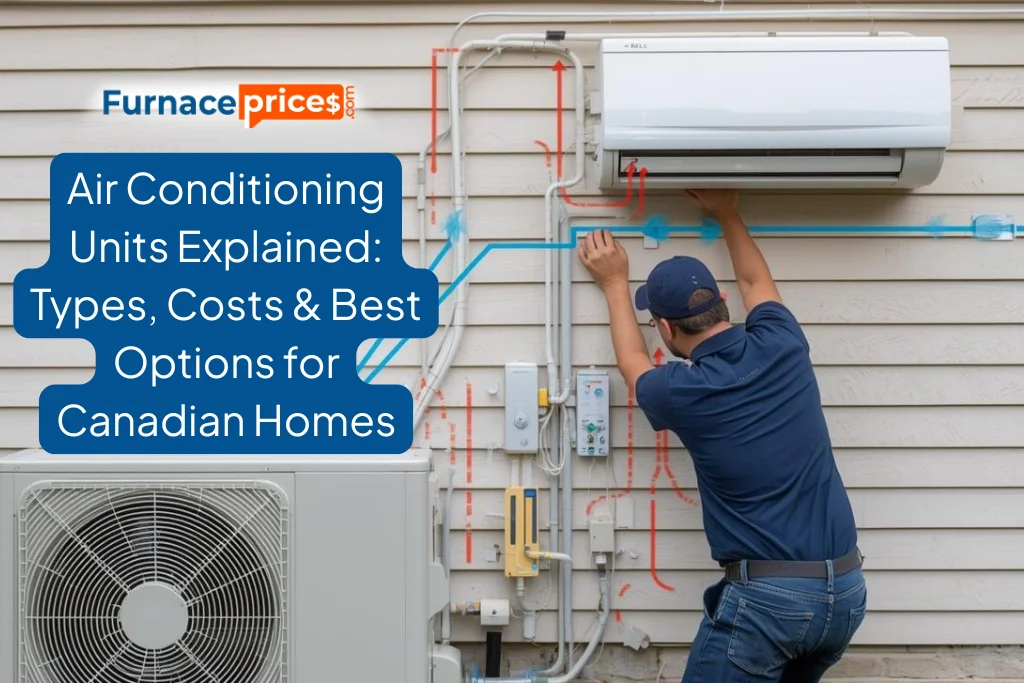
Ductless systems use wall-mounted indoor units connected directly to an outdoor condenser.
Advantages
Excellent energy efficiency
Individual zone control
No duct losses
Flexible installation
Limitations
Higher cost per room
Visible indoor units
Less suitable for whole-home cooling in large houses
Ductless air conditioning units are popular in homes without ducts or where targeted cooling is preferred.
3. Window & Portable Air Conditioning Units
Best for: Apartments, rentals, small spaces
These units are designed to cool a single room and require minimal installation.
Advantages
Low upfront cost
Easy setup
Ideal for short-term use
Limitations
High noise levels
Limited cooling capacity
Poor efficiency compared to permanent systems
Window and portable air conditioning units are practical for renters but not a long-term whole-home solution.
Air Conditioning Unit Cost in Canada
The cost of an air conditioning unit in Canada depends on system type, home size, efficiency level, and installation complexity.
Average Installed Costs
Air Conditioning Unit Type
Installed Cost (CAD)
Central AC
$3,500 – $7,500
Ductless Mini-Split
$3,000 – $6,500 per zone
Window / Portable
$300 – $900
Cost Factors to Consider
Home square footage
Electrical panel upgrades
SEER rating
Ductwork condition
Furnace compatibility
Labour and regional pricing
Bundling an air conditioning unit with a furnace replacement often reduces overall installation costs.
Energy Efficiency & SEER Ratings Explained
SEER (Seasonal Energy Efficiency Ratio) measures how efficiently an air conditioning unit cools over a full season.
SEER Guidelines for Canada
Minimum recommended: SEER 14–15
High efficiency: SEER 18–21+
Higher SEER units consume less electricity, provide better humidity control, and operate more quietly. However, extremely high SEER ratings may offer diminishing returns in colder provinces where cooling seasons are shorter.
Tip: Balance efficiency with installation quality—poor installation negates SEER benefits.
Climate Considerations for Air Conditioning Units in Canada
Canada’s climate varies significantly by region, which directly impacts how an air conditioning unit should be selected and configured. Homes in Southern Ontario, British Columbia, and parts of Quebec often experience extended periods of heat and humidity, making central air conditioning or high-efficiency ductless systems more practical.
In contrast, Prairie provinces and Northern regions may have shorter cooling seasons, where moderate SEER ratings and properly sized units offer better value than ultra-high-efficiency models.
Humidity control is another critical factor. An air conditioning unit that is correctly sized and properly installed will remove excess moisture more effectively, improving indoor comfort and reducing the risk of mold growth—especially in basements and older homes.
Noise Levels & Comfort Features to Consider
Modern air conditioning units are significantly quieter than older systems, but noise levels still vary by model and installation quality. Central AC units with variable-speed compressors and insulated outdoor cabinets typically operate more quietly, making them ideal for densely populated neighbourhoods.
Additional comfort-enhancing features include:
Variable-speed fans for consistent airflow
Smart thermostat compatibility for scheduling and energy tracking
Enhanced air filtration for better indoor air quality
These features don’t just improve comfort—they also contribute to long-term efficiency and system durability.
Why This Matters for Buyers
Considering climate, noise, and comfort features ensures your air conditioning unit delivers reliable performance for years, not just during peak summer days.
Choosing the Right Air Conditioning Unit Size
Proper sizing is critical. An incorrectly sized air conditioning unit can increase energy bills and reduce comfort.
General Sizing Guidelines
Home Size
AC Capacity
Condo / Apartment
1–1.5 tons
1,200–1,800 sq ft
2–2.5 tons
2,000–2,500 sq ft
3–3.5 tons
3,000+ sq ft
4–5 tons
⚠️ Always insist on a Manual J load calculation. Square footage alone is not enough.
Furnace + Air Conditioning Unit Pairing
In Canada, air conditioning units rarely operate independently. Most rely on the furnace blower to circulate cooled air.
Why Proper Pairing Matters
Optimized airflow
Improved efficiency
Reduced strain on components
Full warranty compliance
Common Pairing Options
High-efficiency gas furnace + central AC
Variable-speed furnace + high-SEER AC
Hybrid heat pump + furnace systems
Replacing only one component may limit performance and efficiency gains.
Installation Considerations for Canadian Homes
Installing an air conditioning unit requires more than choosing the right model.
Key Installation Factors
Electrical capacity and breaker size
Refrigerant line routing
Duct sealing and insulation
Outdoor unit placement (snow, drainage)
Condensate management
A professional installation is essential for system longevity and performance.
Maintenance & Lifespan of an Air Conditioning Unit
Typical Lifespan
Central AC: 12–18 years
Ductless systems: 15–20 years
Window units: 5–10 years
Maintenance Best Practices
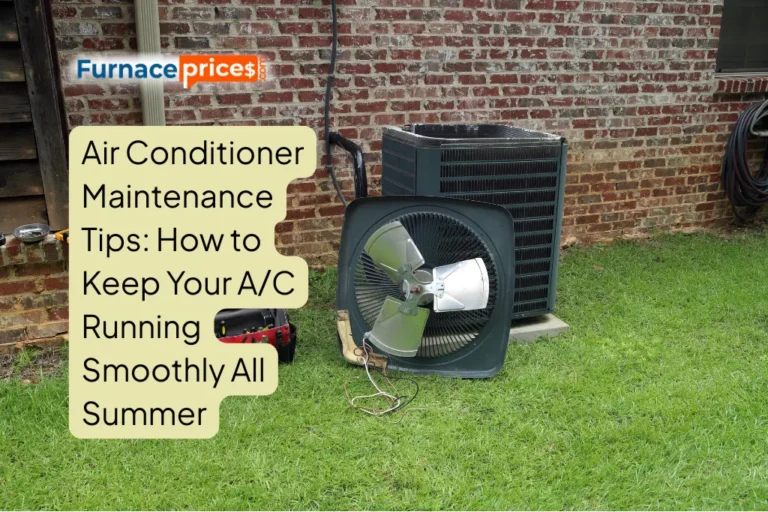
Annual professional inspection
Seasonal filter changes
Coil cleaning
Keeping outdoor units clear of debris
Proper maintenance extends lifespan and preserves efficiency.
When Should You Replace Your Air Conditioning Unit?
Consider replacement if:
Your system is over 10–15 years old
Repairs exceed 30% of replacement cost
Cooling is uneven or unreliable
Energy bills continue to rise
Your furnace is already being replaced
Proactive replacement often costs less than repeated repairs.
Frequently Asked Questions
Q: How long does an air conditioning unit last in Canada?
Most systems last 12–18 years with proper maintenance.
Q: Is ductless air conditioning cheaper than central air?
Only for small areas or zoned cooling—not whole homes.
Q: Can I install an AC unit with an older furnace?
Yes, but compatibility must be verified.
Q: Do Canadian homes really need air conditioning?
In many regions, AC improves comfort, air quality, and resale value.
Final Thoughts
Choosing the right air conditioning unit is about more than cooling—it’s about long-term comfort, energy efficiency, and system reliability. Canadian homeowners benefit most when cooling decisions are made alongside heating upgrades.
If you’re planning a central AC installation, furnace + AC combo, or full HVAC replacement, educating yourself first ensures you invest wisely.
Found This Helpful?
FurnacePrices.com offers expert guides and access to certified local contractors. Visit our site to compare furnace options or request a free, no-obligation quote for your home.
🔧Connecting Homeowners with Trusted Furnace & AC Contractors Across Ontario
At FurnacePrices.com, we bridge the gap between homeowners and reliable, vetted HVAC contractors—whether you’re installing a new furnace, upgrading your air conditioner, or replacing your full home comfort system.
📌 When Are You Planning to Install a New Furnace or Air Conditioner?
Tell us your installation timeline, and we’ll match you with the most suitable HVAC professionals in your area:
🔥 Need an urgent installation? (Next 2–3 days) ⏳ Planning your upgrade in the coming weeks? 🤔 Still comparing brands, prices, or contractor quotes?
👉 Request personalized furnace or AC quotes based on your timeline and Ontario location.
📍 Ontario Cities We Commonly Serve
FurnacePrices.com helps homeowners across Ontario compare heating and cooling systems, estimate installation costs, and connect with trustworthy contractors.
Our network covers most major and mid-sized regions in Ontario, ensuring expert assistance whether you’re replacing an older furnace/AC or upgrading to a high-efficiency model.
👉 See the full list of Ontario service regions
🏆Trusted by Leading Canadian HVAC Associations
Many companies in our contractor network are active members of respected national and provincial HVAC organisations, such as: