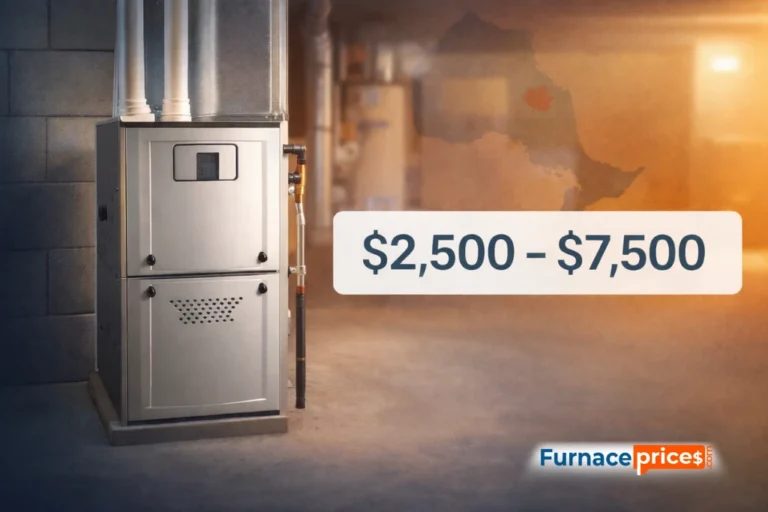
An oil to gas furnace conversion is one of the most effective ways for Canadian homeowners to lower heating costs, reduce emissions, and upgrade to a more efficient heating system. Whether you currently use oil or electricity, switching to natural gas or propane can significantly improve comfort, reliability, and long-term savings. This guide explains the benefits, costs, steps, safety considerations, and everything else you need to know before starting an oil to gas furnace conversion in Canada.
Benefits of an Oil to Gas Furnace Conversion
Higher Efficiency & Lower Environmental Impact
Modern natural gas and propane furnaces offer 90%–98% AFUE efficiency, which is much higher than older oil-based systems. An oil to gas furnace conversion not only reduces wasted fuel but also lowers greenhouse gas emissions and improves indoor air quality.
More Predictable Heating Costs
Oil deliveries require large, costly tank refills. Natural gas and propane systems allow for predictable billing, monthly budgeting, and often lower operating costs. Many utilities also offer equalized billing plans, making expenses easier to manage year-round.
Increased Home Value
Homes that complete an oil to gas furnace conversion typically see higher resale value. Buyers prefer clean, efficient, low-maintenance heating systems—making this upgrade an attractive investment.
More Reasons Homeowners Switch
Free Up Valuable Space
Oil tanks and older oil furnaces take up significant room. A new gas furnace is compact and frees up storage space in the utility area.
Lower Operating Costs
Natural gas is often the cheapest heating fuel in Canada. Propane costs more per litre but burns hotter and is available in rural areas. Both options generally outperform oil and electric furnaces in long-term efficiency.
Eligibility for Rebates
Many provinces periodically offer rebates for replacing older oil systems with high-efficiency alternatives. These incentives can make an oil to gas furnace conversion more affordable.
Natural Gas vs Propane: Which Should You Choose?
Choosing between natural gas and propane depends mostly on your location.
Urban & Suburban Areas: Natural Gas
✔ Lowest cost per BTU
✔ No storage tank required
✔ Continuous supply through gas lines
Rural Areas: Propane
✔ Available anywhere
✔ Burns hotter than natural gas
✔ Great option when gas lines aren’t available
Key Differences:
- Propane requires a storage tank and regular deliveries.
- Natural gas is generally cheaper and more stable in price.
- Both burn cleaner than oil and offer excellent efficiency.
Oil to Gas Furnace Conversion Process: Step-by-Step
An oil to gas furnace conversion varies depending on your current heating system.
1. Identify Your Current System
If You Have a Forced-Air Furnace
This is the simplest conversion. Existing ductwork and ventilation may already be compatible.
Typical costs: $3,500–$8,000, including:
- New gas furnace
- Labour
- Minor duct adjustments
If You Have Electric Baseboards or a Boiler
This is more complex since ductwork must be installed from scratch.
The process may include:
- Heat-loss calculations
- Full duct installation
- Electrical updates
- Venting modifications
Costs can exceed $10,000.
In some cases, a ductless heat pump may be a better fit.
2. Choose Your Fuel Type
Converting to Natural Gas
If your neighbourhood has natural gas lines, utilities often extend them to your property at little or no charge.
The gas provider typically:
- Assesses distance from the main
- Installs the gas line
- Ensures code compliance
Converting to Propane
Ideal for rural areas with no gas infrastructure.
You will need:
- Propane tank (above or underground)
- Regular fuel delivery service
Fuel cost: approx. $0.60–$1.20 per litre
Propane burns extremely efficiently and is a reliable heating option across Canada.
Why Professional Installation Is Essential
An oil to gas furnace conversion involves mechanical, electrical, and safety components. A licensed HVAC technician ensures:
✔ Safe removal of old oil tanks
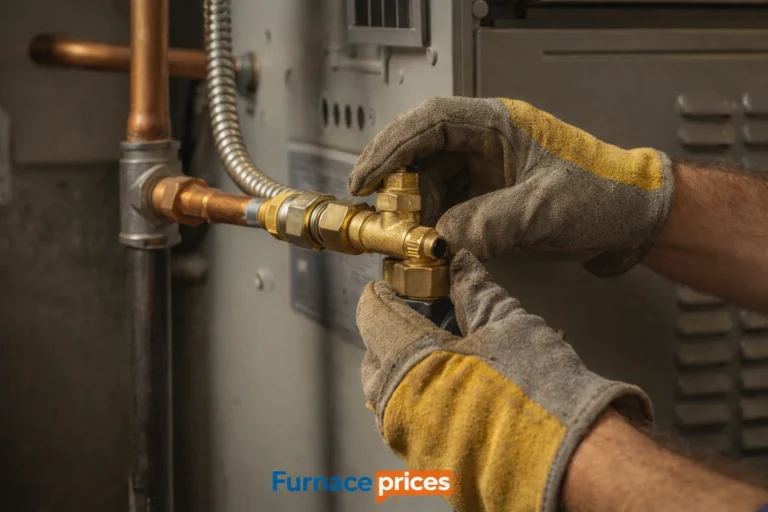
✔ Proper venting and gas line installation
✔ Compliance with local building codes
✔ Correct furnace sizing
✔ Maximized efficiency
✔ Full manufacturer warranty protection
A DIY oil to gas furnace conversion is unsafe and voids warranties—always hire a pro.
Cost Breakdown: Oil to Gas Furnace Conversion in Canada
Most homeowners spend $5,000–$15,000 depending on:
- Home layout
- Furnace model
- Ductwork needs
- Gas line or propane tank installation
- Venting modifications
- Permits
- Old furnace removal
Although the upfront cost is significant, an oil to gas furnace conversion often saves $1,000–$1,500 per year in heating costs.
Where to Start Your Conversion
- Check natural gas availability with your local utility.
- Schedule an in-home assessment from an HVAC technician.
- Review furnace sizing based on BTU requirements.
- Compare quotes from certified contractors.
- Install the gas line or propane tank.
- Proceed with furnace installation and testing.
Safety Considerations During an Oil to Gas Furnace Conversion
Key hazards include:
- Carbon monoxide leaks
- Incorrect venting
- Faulty gas line installation
Professionals ensure:
✔ CO-safe venting
✔ Gas pressure testing
✔ Compliance with CSA and local regulations
✔ Safe removal of old oil equipment
Homeowners should always maintain working carbon monoxide detectors.
Environmental Benefits
An oil-to-gas furnace conversion results in:
- Lower greenhouse gas emissions
- No risk of oil spills
- Cleaner indoor air
- Higher fuel efficiency
While natural gas and propane are still fossil fuels, they burn significantly cleaner than oil.
Maintenance After Conversion
To keep your new system efficient:
- Replace filters every 1–3 months
- Schedule annual HVAC inspections
- Clean burners, blower motor, and heat exchanger
- Check vents and exhaust pipes regularly
Routine care extends furnace life and reduces energy waste.
Conclusion: Is an Oil to Gas Furnace Conversion Worth It?
Yes—most homeowners find it a valuable upgrade. An oil to gas furnace conversion provides:
✔ Lower heating bills
✔ Cleaner, more efficient heating
✔ Improved home value
✔ Predictable energy costs
✔ Safer, quieter operation
If you’re ready to explore your options, start by getting multiple quotes from certified HVAC contractors to find the best solution for your home.
FAQ
1. Can an oil furnace be converted to natural gas? Some models can be modified with a conversion kit, but most older systems are better replaced entirely. Always consult a licensed HVAC technician.
2. Can I convert from oil heating to propane or natural gas? Yes, but regulations vary. For example, Quebec restricts fuel-switching from oil to other fossil fuels. Always confirm with local authorities or your HVAC professional.
Found This Helpful?
FurnacePrices.com offers expert guides and access to certified local contractors. Visit our site to compare furnace options or request a free, no-obligation quote for your home.
🔧Connecting Homeowners with Trusted Furnace & AC Contractors Across Ontario
At FurnacePrices.com, we bridge the gap between homeowners and reliable, vetted HVAC contractors—whether you’re installing a new furnace, upgrading your air conditioner, or replacing your full home comfort system.
📌 When Are You Planning to Install a New Furnace or Air Conditioner?
Tell us your installation timeline, and we’ll match you with the most suitable HVAC professionals in your area:
🔥 Need an urgent installation? (Next 2–3 days)
⏳ Planning your upgrade in the coming weeks?
🤔 Still comparing brands, prices, or contractor quotes?
👉 Request personalized furnace or AC quotes based on your timeline and Ontario location.
📍 Ontario Cities We Commonly Serve
FurnacePrices.com helps homeowners across Ontario compare heating and cooling systems, estimate installation costs, and connect with trustworthy contractors.
Frequently supported service areas include:
Our network covers most major and mid-sized regions in Ontario, ensuring expert assistance whether you’re replacing an older furnace/AC or upgrading to a high-efficiency model.
👉 See the full list of Ontario service regions
🏆Trusted by Leading Canadian HVAC Associations
Many companies in our contractor network are active members of respected national and provincial HVAC organisations, such as:
These affiliations indicate strong training standards, code compliance, and reliable installation practices.
💰 What Affects Furnace & AC Installation Pricing in Ontario?
Installation costs vary depending on:
Understanding these factors helps you plan your installation budget more accurately.
📞 Thinking About Installing a New Furnace or Air Conditioner?
Compare furnace or AC quotes from trusted, local HVAC professionals—quick, easy, and with zero pressure.
👉 Get fast, no-obligation heating & cooling quotes today