COVID-19 was declared a global pandemic in March 2020, and since then, medical professionals and researchers have been actively studying ways to slow the spread of the virus and improve air quality to reduce transmission risks.
Across Canada, provinces and territories have taken varied approaches to reopening, but many areas are now moving into more advanced stages. As Canadians spend more time indoors, there is growing interest in understanding the connection between indoor air quality and the transmission of COVID-19.
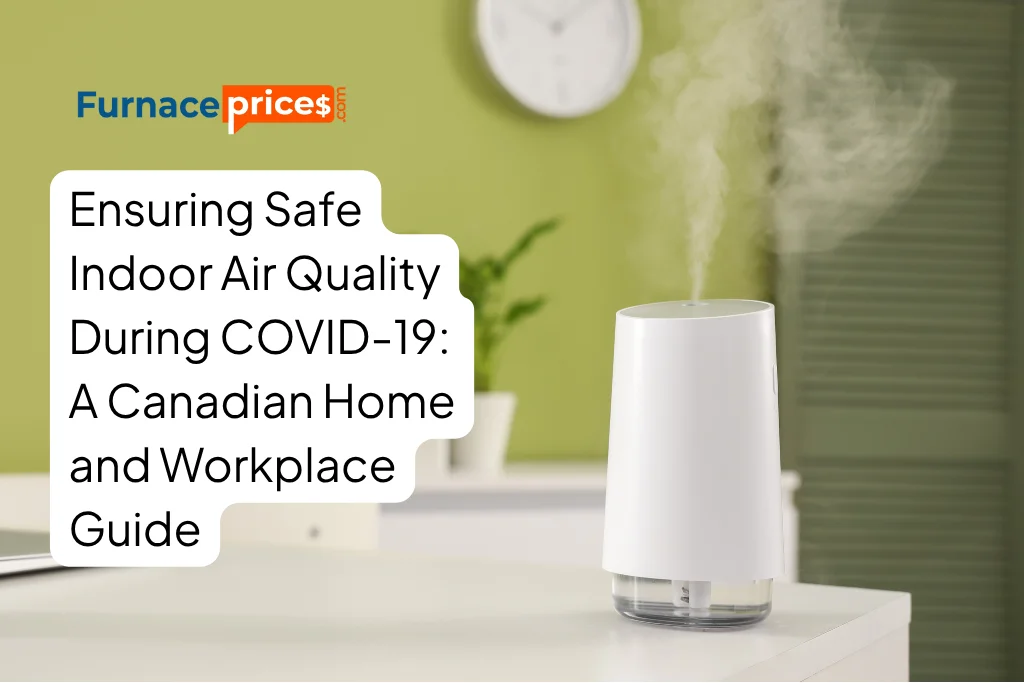
Research has shown that poor indoor air quality—due to insufficient ventilation, limited filtration, or low humidity—can increase the risk of transmitting airborne pathogens, including the coronavirus. This concern has prompted many homeowners and business owners to ask questions about how to improve indoor air quality and reduce exposure risks.
This guide explores the connection between COVID-19 and indoor air quality. It covers current research on virus transmission, the safety of indoor versus outdoor environments, the role of ventilation and filtration, systems that can improve indoor air quality, and common questions Canadians have about staying safe indoors.
Understanding COVID-19 and Aerosol Transmission
While many people may feel fatigued hearing about SARS-CoV-2, the virus that causes COVID-19, understanding its spread remains essential.
Recent studies indicate that COVID-19 spreads primarily through aerosols and droplets released when an infected person coughs, sneezes, speaks, or even breathes. These droplets can either settle on surfaces or directly enter the noses, mouths, or eyes of people nearby.
This explains why measures like social distancing and mask-wearing are effective. Physical distancing reduces the chance of inhaling respiratory droplets, while masks help prevent the release of droplets into the surrounding air.
Current research suggests that aerosolized virus particles can remain airborne for up to three hours. This highlights the importance of improving air quality and circulation in indoor spaces to reduce exposure risks.
The virus can survive on surfaces such as glass, plastic, cardboard, and wood for up to 3.5 days. However, experts remain uncertain about how often surface contact actually leads to infection, or “fomite” transmission.
Indoor vs. Outdoor Transmission of Viruses
Most COVID-19 cases are linked to indoor settings, typically after prolonged exposure. Household transmission accounts for a significant portion of infections, followed by workplaces and public transit as common sites.
Studies show that respiratory droplets can travel over 2 metres when coughing and up to 8 metres when sneezing. Outdoors, sunlight, wind, and constant air movement help disperse droplets and reduce virus survival.
Although outdoor transmission is less common, it can still occur in crowded spaces. Social distancing and other precautions remain important, especially during events or busy public areas.
With schools, workplaces, and public spaces gradually reopening, Canadians are increasingly concerned about indoor safety, particularly during fall and winter when people spend more time inside.
HVAC Systems and Air Circulation
One reason outdoor spaces lower infection risk is the presence of natural air currents. Indoors, air tends to be more stagnant, which can increase the risk of virus exposure. However, the type of HVAC system in a home or commercial building can make a difference in how air is circulated.
Boiler Systems
Boilers heat water and circulate it through radiators or pipes to warm a home. Since these systems do not move air, they provide little to no ventilation or circulation of indoor air. Because there is minimal air movement, contaminants such as viruses, dust, and allergens may remain suspended in certain areas, making supplemental ventilation or portable air purifiers more important in homes with boiler systems.
Ductless Mini-Splits
Ductless systems, also known as mini-splits, provide heating and cooling with an outdoor unit connected to one or more indoor air handlers. The system’s fans circulate air within the room, offering some air movement and localized ventilation. While effective for individual rooms, these systems do not evenly distribute air throughout an entire home, so pockets of stagnant air may still occur, highlighting the importance of combining them with proper ventilation strategies for better overall air quality.
Forced Air Systems
Forced air systems, which include furnaces and central air conditioners, use ductwork and fans to circulate heated or cooled air throughout the house. These systems typically include basic filters to remove dust and debris, with higher-grade filters capable of capturing smaller particles and pathogens. Properly maintained systems with high-quality filters can significantly reduce indoor pollutants, but regular filter replacement and occasional professional duct cleaning are essential to ensure optimal air quality and prevent the spread of airborne contaminants.
Ventilation and Filtration: Keys to Cleaner Air
While circulation helps, it is not enough to eliminate airborne pathogens. The goal is to remove contaminated air or dilute it with fresh outdoor air.
Pollutants, allergens, and other airborne contaminants also require effective ventilation and filtration. Bringing in fresh air and filtering indoor air is crucial for improving overall air quality.
The Double-Edged Nature of Ventilation
Increasing ventilation can reduce virus concentration, but it may also distribute particles throughout a space if the air is already contaminated. Some early COVID-19 outbreaks in restaurants and workplaces were linked to air circulation patterns that inadvertently spread the virus.
Although HVAC systems can move pathogens, research shows that standard systems, including furnaces, do not kill viruses. Only specialized filters or purification systems have the potential to reduce pathogen levels effectively.
Strategies to Increase Ventilation and Improve Air Quality
Even if your home’s ventilation is limited, several devices and techniques can improve indoor air quality:
- Special HVAC filters
- UV light systems
- Air purifiers
- Whole-home ventilation systems
- Heat recovery ventilators (HRVs) and energy recovery ventilators (ERVs)
- Portable, single-room filtration systems
It’s important to remember that while these methods can improve air quality, no solution guarantees complete protection from COVID-19 or other pathogens. Always refer to manufacturer specifications for any HVAC device.
Furnace and Air Conditioner Filters
Most HVAC systems include a basic filter, which captures large particles like dust. High-efficiency filters, such as HEPA filters, can trap much smaller particles (down to 0.3 microns).
While highly effective for allergens and bacteria, SARS-CoV-2 is smaller than 0.3 microns, so some virus particles may bypass even a HEPA filter.
When upgrading filters, consider the MERV (Minimum Efficiency Reporting Value) rating. A MERV 13 or higher filter is recommended for capturing smaller airborne pathogens. Keep in mind that higher-rated filters can restrict airflow if your HVAC system is not designed for them, so consulting a licensed technician is essential.
UV Lights for HVAC Systems
UV-C light can inactivate viruses, bacteria, and fungi. When installed in a furnace or air conditioning system, it can reduce airborne contaminants.
Caution: Only specific UV-C wavelengths are safe for use in HVAC systems, as inappropriate wavelengths can be harmful to skin and eyes.
UV-C systems work by disrupting the DNA or RNA of microorganisms, rendering them inactive. Regular maintenance is required to keep UV lamps effective, including cleaning and periodic bulb replacement.
Whole-Home Ventilation Systems
Whole-home systems can be categorized as exhaust, supply, or balanced:
Exhaust systems remove indoor air but do not introduce fresh air, limiting air quality improvements. While they help reduce humidity and odors in areas like bathrooms or kitchens, they cannot replenish oxygen levels or dilute airborne pathogens. For optimal indoor air quality, exhaust systems are often combined with supplemental ventilation or portable air purifiers to ensure healthier living spaces.
- Supply systems
Supply systems bring in outdoor air, forcing stale air out, but may not control humidity. By introducing fresh air, they help reduce the concentration of indoor pollutants and improve overall air circulation. However, without humidity control, they can make indoor air too dry in winter or too humid in summer, so additional dehumidifiers or humidifiers may be needed.
- Balanced systems
Balanced systems combine exhaust and supply methods for better air exchange. They improve ventilation but can be costly and may slightly increase energy usage. These systems evenly distribute fresh air while removing stale air, reducing the risk of stagnant zones where contaminants accumulate. With proper installation and maintenance, balanced systems offer consistent indoor air quality and energy efficiency across the home.
Balanced systems are ideal for Canadian homes because they provide both fresh air and energy efficiency, helping to maintain comfortable indoor temperatures while reducing pollutant levels.
HRVs and ERVs
Heat recovery ventilators (HRVs) and energy recovery ventilators (ERVs) are advanced systems that provide excellent air quality while maintaining energy efficiency.
- HRVs remove stale air, bring in fresh air, and capture heat from outgoing air to warm incoming air, reducing heating costs.
- ERVs perform the same functions as HRVs but also manage humidity by transferring moisture between outgoing and incoming air. This helps maintain comfortable indoor conditions year-round.
HRVs and ERVs are particularly valuable during Canadian winters when outdoor air is cold, as they allow homes to ventilate without significant heat loss. Proper sizing and installation by a licensed HVAC professional are essential to maximize performance.
Single-Room Filters and Purifiers
Portable air purifiers are ideal for smaller areas or for homeowners on a budget. They can be moved between rooms and are effective at filtering particles in localized spaces.
When selecting a portable purifier, consider the Clean Air Delivery Rate (CADR), which measures the volume of filtered air delivered per minute. Choose a CADR suitable for the room size for best results. Some units also include carbon filters to reduce odours and VOCs (volatile organic compounds).
While these systems improve air quality, they may not fully prevent airborne virus transmission. Combining portable purifiers with other measures like mask-wearing and distancing offers the best protection.
Opening Windows: Simple but Effective
Sometimes, the most cost-effective solution is the simplest: opening windows. Natural ventilation can help disperse lingering droplets and improve air quality, especially when temperatures are moderate.
If outdoor temperatures are too low, consider briefly opening multiple windows to create cross-ventilation, or using trickle vents if available. This approach increases air turnover and reduces the concentration of airborne pathogens indoors.
Humidity and COVID-19
Maintaining proper indoor humidity is important for comfort and health. Air that is too dry can cause skin irritation, sore throats, and static electricity, while overly humid air can encourage mold growth and damage structures.
According to Health Canada, ideal home humidity ranges from 30% to 55%. Research suggests that COVID-19 transmission is lowest when indoor humidity is between 50% and 60%, as viruses spread more easily in cold, dry air.
Maintaining Ideal Humidity
- Hygrometers: Affordable devices to measure indoor humidity.
- Whole-home humidifiers: Integrated into HVAC systems for consistent control.
- Portable humidifiers/dehumidifiers: Suitable for smaller areas or temporary use.
- HVAC systems with built-in humidity control: Consider this when replacing old systems.
Proper humidity also improves the comfort of occupants and protects furniture, wood floors, and electronics from extreme dryness or moisture.
Additional Measures for Safer Indoor Environments
Beyond ventilation, filtration, and humidity control, there are practical steps homeowners and business owners can take to improve indoor air quality and reduce COVID-19 transmission risk:
1. Regular HVAC Maintenance
- Change filters regularly, following manufacturer recommendations.
- Inspect ductwork for leaks, dust, and cleanliness.
- Ensure air vents and returns are not blocked.
- Schedule professional HVAC inspections at least annually.
- Clean blower fans, coils, and internal components to prevent dust and pathogens from accumulating.
- Proper maintenance ensures efficient airflow and reduces airborne contaminants in your home or business.
2. Cleaning and Disinfection
- Regularly clean high-touch surfaces such as doorknobs, light switches, and countertops.
- Use approved disinfectants according to Health Canada guidance.
- Focus on shared spaces and common areas in commercial or multi-family settings.
- Clean air vents, fan blades, and filter housings, where dust and microbes can collect.
- Routine cleaning combined with improved ventilation reduces overall microbial load indoors.
3. Air Quality Monitoring
- Install carbon dioxide (CO₂) monitors in enclosed spaces to assess ventilation effectiveness.
- Higher CO₂ levels indicate poor ventilation, signaling the need to increase airflow.
- Consider adding particulate sensors to detect dust, pollen, or smoke for a comprehensive air quality overview.
- Track air quality trends over time to identify problem areas.
- Make informed decisions about supplemental purification devices or HVAC upgrades based on data.
4. Smart HVAC Controls
- Use programmable thermostats to schedule ventilation and humidity adjustments.
- Consider systems with smart sensors that adjust airflow based on occupancy or air quality.
- Smart controls optimize energy efficiency while maintaining cleaner, healthier air.
- Sensors can increase fresh air intake during high occupancy periods.
- Automatic humidity adjustments help maintain 40–60% range, reducing virus survival and improving indoor comfort.
5. Layered Approach to Safety
- Combine ventilation, filtration, and humidity control measures.
- Wear masks where appropriate, especially in shared spaces.
- Encourage physical distancing and limit occupancy in high-traffic areas.
- Use portable air purifiers in poorly ventilated rooms.
- Rotate workspaces or stagger schedules to minimize exposure risks.
- A combination of measures creates multiple protective layers against airborne pathogens.
Protecting Vulnerable Populations
Children, seniors, and individuals with underlying health conditions are more susceptible to COVID-19. Homes, care facilities, and workplaces housing vulnerable populations should take extra precautions:
- Maintain higher ventilation rates and use advanced air purification systems where possible.
- Monitor indoor humidity to ensure optimal levels (40–60%), which may reduce virus survival.
- Reduce occupancy density in indoor spaces whenever possible to limit prolonged exposure.
- Increase the frequency of cleaning and disinfection, focusing on high-touch surfaces.
- Encourage vaccination and boosters according to public health guidelines.
- Implement mask policies in shared spaces during periods of high transmission.
- Use portable air purifiers in bedrooms, common rooms, and workspaces for added protection.
- Establish dedicated rooms or areas for individuals who are sick to reduce contact with others.
- Ensure proper HVAC maintenance to optimize airflow and filtration throughout the building.
- Educate staff, family members, or household occupants on hygiene, ventilation, and safety practices.
- Limit non-essential visitors and consider screening protocols for staff or guests entering the space.
- Schedule regular breaks to allow for natural ventilation or outdoor time when possible.
- Coordinate with healthcare professionals to manage underlying health conditions and respond promptly to symptoms.
- Keep communication open with residents, family members, and staff to reinforce safety measures consistently.
Workplace and Commercial Considerations
For business owners, ensuring proper indoor air quality can protect employees and customers:
- Conduct an HVAC assessment for filtration upgrades and system improvements.
- Install HRVs or ERVs to improve air exchange efficiently.
- Use portable purifiers in high-traffic or shared areas.
- Maintain clear communication about safety protocols and air quality measures.
- Schedule regular HVAC maintenance and filter replacements.
- Monitor air quality with CO₂ or particulate sensors.
- Reduce occupancy density in meeting rooms or shared spaces.
- Combine ventilation, filtration, humidity control, and cleaning for layered protection.
- Encourage staff training and flexible work arrangements.
Investing in indoor air quality measures can reduce absenteeism, improve comfort, and increase confidence among staff and clients.
FAQs
Can increased airflow make indoor spaces safer? Circulation alone is not sufficient. Effective ventilation and filtration, ideally combined, are necessary to reduce airborne pathogens.
How can I tell if indoor air is safe? Air quality is not easily detectable by sight or smell. Stale, stuffy air may indicate insufficient ventilation and airflow.
Which HVAC filters are best for reducing virus particles? High-efficiency filters with MERV 13 or higher ratings, combined with HEPA filters where possible, offer the best protection.
Can portable purifiers replace HVAC upgrades? Portable purifiers can supplement HVAC systems but are generally not sufficient alone for whole-home protection.
What humidity level is optimal to reduce COVID-19 transmission? Maintaining indoor humidity between 50–60% reduces the virus’s ability to spread while keeping the environment comfortable.
Conclusion
Maintaining safe indoor air quality is essential for reducing COVID-19 risks in homes, workplaces, and commercial spaces. By combining proper ventilation, effective filtration, humidity control, regular maintenance, and practical safety measures, Canadians can create healthier environments that protect vulnerable populations, improve comfort, and enhance overall well-being.
For more information on energy efficiency standards and incentives in Canada, visit Natural Resources Canada.
📞 Have questions? Contact us or email us at contact@furnaceprices.com.
✅ Start comparing today and make the right choice with confidence!
Contact Us Reach Our Support Team – Furnace Prices.com
Have questions or need assistance? Contact us now for quick, friendly support. We’re here to help you with any inquiries or feedback.
 Canadian