We use cookies to ensure that we give you the best experience on our website.
⭐ Top Contractor Program
Want to Stand Out?
Fill out the form below to apply and get featured as one of our Top Contractors. Gain visibility, attract more clients, and showcase your expertise to a wider audience!
🔒 Your information is private and secure
Free to apply
Verified contractors only
Canada-wide visibility
No hidden charges
Free Service
No obligation
Get Your FREE HVAC Quote Today
Compare prices from top-rated local contractors in minutes
Commercial heating and cooling systems play a major role in keeping workplaces safe, comfortable, and efficient. Whether you own a business, manage a property, or supervise a building, understanding how these systems work — and how to maintain or replace them — is essential. This Commercial HVAC Guide will help you navigate the key components, maintenance tips, and upgrade options for ensuring your system runs at peak performance.
Because commercial HVAC equipment is typically larger, more complex, and more expensive than residential units, knowing what to expect from contractors, costs, warranties, and service options can save you time, money, and stress. This guide breaks down the most important details for Canadian property owners and managers.
The Role of Commercial HVAC
Every commercial property, from office towers to small retail shops, relies on heating, cooling, and ventilation. These systems regulate temperature, filter air, and improve indoor air quality, which directly impacts staff, tenants, and customers.
Unlike residential equipment, commercial systems are often installed on rooftops, use more advanced components, and require specialized expertise for installation and upkeep.
HVAC and Indoor Air Quality
In recent years, indoor air quality has become a bigger concern for businesses across Canada. Building owners are upgrading ventilation systems to increase air circulation, improve filtration, and reduce airborne contaminants.
High-efficiency filters, HEPA units, and optional sterilization tools such as UV lights can help minimize exposure to viruses and pollutants, while also creating a healthier environment for employees and visitors.
Choosing a Commercial HVAC Contractor
If you own or manage a building, you will eventually need an HVAC contractor for installation, maintenance, or emergency service. Not every technician has the same training or experience, so it’s important to choose wisely.
Look for contractors that:
Employ licensed and insured technicians
Have experience with commercial properties similar to yours
Offer a full range of services (installation, repairs, maintenance, and emergency response)
Provide strong customer support and clear communication
Have the tools and staff to handle large-scale jobs with minimal disruption
Maintain good working relationships with other trades on site
Commercial vs. Residential HVAC
While both residential and commercial HVAC systems heat and cool buildings, the differences are significant:
Size and complexity: Commercial systems are larger and more advanced.
Installation: Most commercial units are rooftop-mounted.
Training: Technicians often require additional certification to work on commercial-grade systems.
In Ontario, for example, contractors typically need a G1 gas license to handle larger commercial equipment.
What to Expect During a Service Call
When you schedule service, expect the company’s support staff to ask about your building, the equipment in use, and the issue you’re experiencing. A licensed technician will then inspect the system, run diagnostics, and carry out repairs or maintenance.
If replacement parts or a new unit are required, follow-up visits may be necessary. Many businesses choose maintenance contracts to ensure regular inspections, which can prevent costly downtime.
Commercial HVAC Costs
The cost of commercial HVAC work varies widely based on system size, building type, and location. Here are some general benchmarks for Canada:
New systems: Rooftop units or boilers typically range from $15,000 to $25,000+, not including installation.
Installation: May involve cranes or other equipment, adding to costs.
Service calls: Usually a few hundred dollars for inspections, with additional hourly labour and parts.
Maintenance contracts: Typically $150 to $500 per year, depending on coverage.
Prices may also differ between rural and urban areas, and based on competition in your region.
Repair or Replace?
Deciding between repair and replacement can be challenging. Consider the following:
Age: Most commercial systems last 15–20 years. Repairs usually make sense if the unit is under 10 years old.
Cost: If repairs are more than 50% of replacement value, upgrading is often smarter.
Warranty: Check if your equipment is still under manufacturer warranty.
Efficiency: Newer models use far less energy, reducing long-term operating costs.
Downtime: Replacement can cause disruption, which may influence your choice.
Comfort and safety: If the system cannot reliably heat, cool, or safely operate, replacement is the safer option.
Warranties
Commercial HVAC warranties vary by manufacturer and equipment type, but typical coverage includes:
Heat exchangers: 10–20 years
Compressors: 5–10 years
Parts: 1–10 years
Coils: 1–3 years
Always review warranty terms closely to understand what’s included and what requires additional coverage.
Routine Maintenance
Preventive care is key to maximizing system lifespan and efficiency. Common maintenance tasks include:
Changing filters every 3–6 months
Inspecting and cleaning coils, blowers, and cabinets
Checking refrigerant levels and drain lines
Testing safety controls and thermostats
Lubricating moving parts
Annual professional inspections can help detect issues early and extend system life.
Common Types of Commercial HVAC Systems
Commercial systems come in many forms depending on building needs:
Packaged rooftop units (RTUs): Compact, all-in-one systems that provide heating and cooling.
Boilers and hydronic systems: Use hot water or steam for heating; some can also provide cooling with chilled water.
Air conditioning systems: Central or ductless units for cooling offices, restaurants, and retail spaces.
Ductless mini-splits: Ideal for spaces without ductwork.
HRV/ERV systems: Improve ventilation while reducing energy loss.
Multi-zone systems: Allow temperature control across different sections of a building.
Water heaters & purification systems: Ensure hot water and clean supply for commercial use.
Refrigeration units: Critical for businesses that handle food, medicine, or other perishables.
Cost Estimates for Commercial HVAC Repairs, Service, and Maintenance Plans
The cost of servicing or repairing a commercial HVAC system can vary widely, and it’s difficult to give a one-size-fits-all estimate without a qualified contractor inspecting your equipment. Commercial heating and cooling systems are complex, and expenses depend on everything from the type of unit installed to the size of the building it supports. Still, it’s possible to outline common ranges so Canadian businesses have a clearer sense of what to expect.
Typical Equipment and Installation Costs
New equipment: Installing a commercial boiler or rooftop HVAC unit typically starts around $15,000 to $25,000, with larger buildings and more advanced systems costing well above that. Industrial-grade equipment is often at the higher end of the spectrum.
Installation factors: Unlike residential units, commercial systems often require cranes, reinforced ductwork, or electrical upgrades. These added complexities can significantly increase the final bill.
Service calls: A standard service visit or inspection generally costs a few hundred dollars. Rates increase with the complexity of the job, the technician’s hourly charge, and the cost of any replacement parts. Emergency calls outside of business hours almost always cost more.
Maintenance contracts: Many HVAC companies offer ongoing maintenance plans ranging between $150 and $500 annually, depending on the level of service included. These contracts usually cover tune-ups and inspections, while more comprehensive plans may also include parts and labour.
What Affects Pricing?
Several variables can push costs up or down:
Type of service: Preventative maintenance is generally cheaper than emergency repairs.
Unit details: The age, size, and manufacturer of the equipment influence how easy or difficult it is to service.
Location: Businesses in rural communities may pay more due to fewer contractors being available, while urban areas with high competition may see more competitive rates.
Building type: A small office has different HVAC needs and costs compared to a multi-storey retail centre or industrial warehouse.
Accessibility: Units installed on rooftops or in tight spaces require more labour and potentially heavy equipment to reach.
Parts required: Repairs involving compressors, motors, or electronic control systems tend to be more expensive than routine fixes.
Because of these variables, most commercial HVAC technicians charge based on time and materials rather than offering flat-rate packages.
Should You Repair or Replace a Commercial HVAC Unit?
At some point, every business owner or property manager faces the decision of whether to keep repairing their existing HVAC system or invest in a replacement. Repairs can be costly, but replacing a system is an even larger expense. Here are the key factors that can guide your decision.
1. Age of the System
Commercial HVAC systems generally last 15 to 20 years with proper maintenance. If your unit is still under 10 years old, repairs are usually the more sensible choice. Once a system passes the 12–15 year mark, it may be nearing the end of its efficient lifespan, and replacement starts to make more sense — especially if repairs are frequent or expensive.
2. Warranty Coverage
Before authorizing a repair, always confirm whether the equipment is still under warranty. Commercial furnaces, air conditioners, and heat pumps may carry warranties ranging from one year to two decades, depending on the component. If the repair is covered, it could save you thousands of dollars.
3. Repair Costs vs. Replacement Costs
A common rule of thumb is the 50% rule: if the repair will cost half or more of what a replacement would, it often makes financial sense to upgrade. On the other hand, if the repair is less than half the cost of a new unit, fixing the existing system is typically the better choice.
4. Energy Efficiency
Heating and cooling represent one of the largest expenses for commercial buildings. In fact, heating alone accounts for over half of a building’s energy use. Newer HVAC models are far more efficient than those from even 10 years ago. Upgrading to a modern, high-efficiency system may reduce energy bills significantly, leading to long-term savings that offset the upfront cost.
5. Business Interruptions
Installing a new commercial HVAC system can disrupt business operations, especially in offices, restaurants, or retail spaces. Shutting down for even a few days can mean lost revenue. In some cases, opting for a repair — even if not ideal long-term — can prevent costly downtime.
6. Comfort and Safety
HVAC systems don’t just control temperature — they also impact indoor air quality, humidity, and airflow. If the existing system can’t maintain comfort for employees, tenants, or customers, a replacement may be justified. Safety is another major factor. For instance, a furnace with a cracked heat exchanger could cause carbon monoxide leaks. In situations like this, replacing the system is the only safe option.
7. Tax Considerations
In Canada, capital investments like HVAC upgrades may be deductible business expenses. Before deciding, it’s worth consulting with your accountant to see whether replacement could provide tax benefits that ease the financial burden.
Understanding Commercial HVAC Warranties
Commercial warranties work much like residential ones, though they often have broader coverage periods and vary depending on the manufacturer and model. Generally, higher-end systems come with longer and more comprehensive warranties.
Here are typical ranges:
Furnace heat exchangers: 10–20 years
Compressors (air conditioners and heat pumps): 5–10 years
Parts (general coverage): 1–10 years
Coils (air conditioners and rooftop units): 1–3 years
It’s important to note that different components of the same system may have separate warranty terms. For example, a furnace might have a 20-year heat exchanger warranty but only 5 years on other parts.
Always read the fine print carefully. Warranties may exclude labour, require proof of regular maintenance, or be voided if unauthorized parts are used. Extended warranties or service agreements can sometimes be purchased for extra protection, but you’ll want to weigh the additional cost against the likelihood of needing major repairs.
Routine Maintenance for Commercial HVAC Systems
A well-maintained HVAC system not only lasts longer but also operates more efficiently and reliably. To maximize performance, commercial systems should follow a consistent maintenance routine.
Common maintenance tasks include:
Replacing filters every 3 to 6 months (more often in dusty environments).
Calibrating thermostats and verifying temperature accuracy.
Cleaning coils, blower motors, and burner assemblies.
Inspecting drain lines and ventilation for blockages or leaks.
Lubricating moving parts like fan motors and belts.
Checking control panels, wiring, and safety switches.
Measuring refrigerant levels to prevent cooling issues.
Testing safety systems, including gas and carbon monoxide detectors.
In Ontario and across Canada, HVAC contractors often recommend seasonal tune-ups: once before the heating season and once before cooling season. This helps catch potential problems early and prevents emergency breakdowns during extreme weather.
Service Contracts: Staying Ahead of Problems
Many businesses choose annual service contracts to stay on top of HVAC maintenance. These agreements provide peace of mind by ensuring regular inspections and priority service.
Typical inclusions:
Seasonal tune-ups and performance checks.
Filter replacements and minor adjustments.
Diagnostics of major components.
Written reports outlining system condition and recommendations.
More comprehensive plans may also include parts and labour for certain repairs, though these contracts cost more. Still, they can provide excellent value by preventing unexpected breakdowns, reducing downtime, and extending equipment lifespan.
For commercial property managers juggling multiple units or buildings, service contracts are often the simplest way to stay organized and avoid costly surprises.
Commercial HVAC Types
When Canadians think about HVAC, it’s usually in the context of home comfort—keeping the furnace running in winter or making sure the air conditioner can handle a humid July afternoon. But heating, cooling, and ventilation take on an even bigger role in the commercial world. From small restaurants to massive warehouses, every type of business has unique climate-control needs that keep employees comfortable, customers happy, and products safe.
This guide explores the most common types of commercial HVAC systems in Canada, how they work, and why they matter. Whether you’re a property manager in Toronto, a restaurant owner in Vancouver, or running a manufacturing plant in Alberta, understanding your HVAC options helps you make smarter investment decisions.
Types of Commercial HVAC Systems
The term commercial HVAC covers a wide spectrum. A cozy office space, a high-rise condominium, and a food-processing plant are all commercial properties, yet their requirements differ drastically. To accommodate this variety, HVAC systems are generally divided into three categories:
Light commercial – Used for small businesses such as family-owned restaurants, corner stores, clinics, and neighbourhood offices.
Commercial – Designed for larger operations like shopping centres, airports, big-box retailers, entertainment venues, and multi-storey office buildings.
Industrial or light industrial – Built for factories, production facilities, and warehouses where processes or stored goods require strict climate control.
Commercial Furnaces
Much like in homes, furnaces in commercial settings are primarily tasked with keeping spaces warm during Canada’s long winters. They work on the same principle: fuel such as natural gas or propane is ignited, the resulting flame heats the heat exchanger, and a blower distributes warmed air throughout the building.
The difference lies in scale. A furnace designed for a restaurant or retail store may be larger and more powerful than a typical residential model, and systems in office towers or hotels often operate in tandem with other equipment to cover multiple zones. Reliability is especially critical, since a failure during a cold snap can shut down operations and even create safety risks.
Air Conditioning Systems
Commercial air conditioning works much like residential AC—heat is absorbed from indoor air and released outside. But because commercial spaces are often larger and busier, the systems themselves are built for higher capacity.
In much of Canada, summers are hot and humid enough to justify air conditioning, particularly in Ontario and Quebec where muggy conditions are common. Businesses that handle perishables, like grocery stores or food-service operations, rely on cooling not just for comfort but also for safety and product integrity.
Ductless Systems
Not every building has ductwork. For older structures, or for areas of a property that were added later, ductless mini-split systems can be a practical solution. A single outdoor unit can connect to multiple indoor air handlers, each serving an individual space.
For small businesses in heritage buildings—common in Canadian downtown cores—ductless systems provide efficient heating and cooling without the disruption of installing new ductwork.
Hydronic and Boiler Systems
Hydronic heating uses hot water or steam to warm spaces. Boilers heat the water, which then circulates through a network of pipes and radiators. Some systems can also use chilled water in summer, offering both heating and cooling through the same infrastructure.
Boiler systems are common in multi-family residential buildings, schools, and older commercial properties across Canada. For larger facilities, they can deliver steady, even heat, while modern high-efficiency boilers reduce energy consumption compared to older models.
Water Heaters
Every business requires hot water, whether for washing hands, cleaning, cooking, or industrial processes. Commercial water heaters can be either storage-tank or tankless models, and they operate using gas or electricity.
Tank-style units store heated water and are ideal when consistent demand is expected.
Tankless models heat water on demand, which can save energy in buildings with fluctuating usage.
From office bathrooms to restaurant kitchens, reliable hot water is non-negotiable in commercial operations.
Water Purification Systems
Water quality is another factor businesses must consider. Commercial-grade purification systems treat all incoming water before it is used. Depending on the building’s needs, methods may include reverse osmosis, demineralization, ultraviolet disinfection, or multi-stage filtration.
Industries such as healthcare, hospitality, and food production often require purified water for compliance and safety. Whole-system filtration ensures consistent quality and helps protect equipment from mineral buildup.
Refrigeration Systems
For businesses dealing with food, pharmaceuticals, or other perishable goods, commercial refrigeration is essential. These systems range from walk-in coolers and freezers to reach-in fridges, deli cases, and even spiral freezers for rapid product cooling.
Canadian restaurants, grocery stores, and laboratories depend on refrigeration not just to store products but also to maintain regulatory compliance. Choosing the right system can reduce energy costs while protecting valuable inventory.
Packaged and Rooftop Units
Unlike most home air conditioners that have separate indoor and outdoor components, many commercial properties use packaged units where everything—compressor, coils, fans—is contained in a single system.
Rooftop units (RTUs) are the most common packaged solution. Installed on the roof, they connect directly to a building’s ductwork, saving valuable indoor space.
Many RTUs are dual-purpose, offering both heating and cooling from one system.
These systems are widespread in Canadian hotels, restaurants, and retail spaces due to their flexibility and ease of service.
Ventilation and Exhaust Systems
Ventilation is about more than comfort—it’s about safety. Commercial ventilation systems bring in fresh air, remove stale or contaminated air, and regulate humidity.
From basic fans in small shops to complex ducted exhaust systems in factories, proper ventilation ensures healthier indoor environments. In restaurants, for instance, powerful exhaust hoods keep kitchens safe and compliant by removing smoke and grease-laden air.
Condo Packs
Also known as through-the-wall units, condo packs are compact, self-contained HVAC systems often used in apartment and condominium buildings. They provide heating, cooling, or both, and can be powered by electricity, gas, or propane.
Each unit operates independently, giving property managers flexibility in multi-unit dwellings.
Air Handlers
Air handlers are the indoor companions to heat pumps and central HVAC systems. They contain key components like blowers, evaporator coils, and filters.
Commercial buildings typically use multiple air handlers to distribute air evenly. Some models include antimicrobial filters or humidity-control features, helping improve indoor air quality in offices, hospitals, or schools.
Unit Heaters
Think of unit heaters as oversized space heaters. They can be powered by gas, propane, or electricity, and are designed to heat large open spaces like warehouses, loading docks, or garages.
Their main advantage is simplicity: minimal ductwork is required, and they can be installed in areas where traditional furnaces aren’t practical.
HRV and ERV Systems
Heat recovery ventilators (HRVs) and energy recovery ventilators (ERVs) improve indoor air quality by exchanging stale indoor air with fresh outdoor air while capturing heat from the exhaust air to reduce energy loss.
ERVs go a step further by transferring some moisture, which helps control humidity levels. These systems are especially valuable in Canada, where windows are often kept closed during cold winters, limiting natural ventilation.
Multi-Zone Systems
Not every part of a building needs to be the same temperature. Multi-zone HVAC systems allow property owners to divide spaces into zones, each with its own climate settings.
An office tower might keep sunny south-facing offices cooler than shaded north-facing ones.
A warehouse might dedicate one zone to cooler storage while maintaining comfortable working conditions in another.
This zoning not only improves comfort but also helps reduce energy waste.
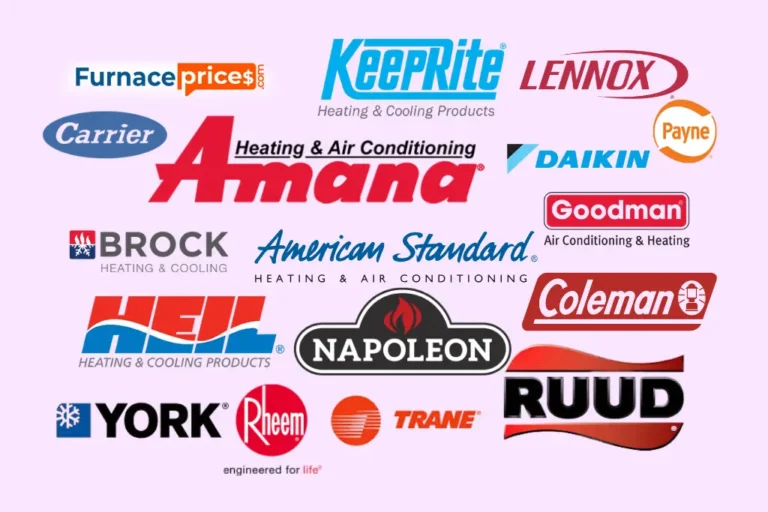
Popular Commercial HVAC Brands in Canada
Canadian businesses have access to a wide range of HVAC manufacturers. While the “best” brand depends on building size, budget, and application, the following are commonly seen across the country:
Ductless Systems
Gas & Electric Boilers
Rooftop Units
Tankless Water Heaters
American Standard
Daikin / Ariston
Trane
Rheem
Daikin
Navien / Biasi
Goodman
Ecosmart
Fujitsu
Viessmann / Electric Heating Co.
Carrier
Takagi
LG
ACV / Firebird
Rudd
Stiebel
Mitsubishi
Ferroli / Grant
York
Noritz
Napoleon
Intergas / Johnson & Starley
Rheem
Bosch
Panasonic
Ravenheat / Mistral
–
Navien
Goodman
Worcester Bosch / Vokera
–
Eccotemp
These brands supply everything from ductless systems for small offices to industrial-grade boilers for large facilities. Availability may vary depending on the region, and service support should always be considered when selecting equipment.
Types of Commercial HVAC Customers and Systems in Canada
Heating, cooling, and ventilation aren’t only important in homes—they’re also essential to commercial and industrial spaces across Canada. From hospitals and schools to retail stores and office towers, every type of business depends on HVAC systems to create safe, comfortable, and efficient environments.
Whether you’re a property manager, a small business owner, or making decisions for a large corporation, understanding your responsibilities and knowing which systems are commonly used can help you stay ahead of costly issues.
Types of Commercial HVAC Customers
Commercial HVAC responsibilities don’t fall to just one type of person. Depending on the building, the industry, and the ownership model, the decision-maker may be different. Here are some of the most common groups involved:
Property Managers
Property managers may not own the building, but they oversee day-to-day operations and maintenance. That often includes arranging HVAC servicing, responding to tenant concerns, and coordinating with contractors when repairs or upgrades are needed. While the final purchasing decisions may rest with the owner, property managers need to recognize when something isn’t working and act quickly to protect occupants.
Single-Location Business Owners
If you operate from a single shop, restaurant, or office, you may be responsible for the heating and cooling systems even if you rent the space. That means scheduling maintenance, paying for repairs, and budgeting for replacements. Because HVAC isn’t a daily concern, many small business owners only deal with it when issues arise—making it even more important to have a trusted technician to call.
Multi-Location Business Owners
Owning several properties brings extra complexity. Each building may have HVAC systems of different ages, brands, and sizes. This means maintenance schedules can vary, and unexpected issues may pop up more often. Multi-location owners tend to gain more familiarity with HVAC equipment simply because they encounter it regularly, but the variety across sites can still be challenging.
Corporate Decision-Makers
In larger organizations, HVAC decisions are sometimes handled at a corporate level by people who don’t work directly in the buildings affected. In these cases, decision-makers depend on on-site staff or reports to understand performance issues. Balancing costs, capital investments, and employee comfort becomes partof the bigger picture. No matter the distance, having access to reliable, expert advice is crucial.
Types of Commercial Buildings and Their HVAC Needs
The term commercial building covers a wide range of spaces: warehouses, schools, retail stores, malls, hospitals, and office complexes, just to name a few. Each has its own demands, and some systems are better suited to particular industries than others. Below are the most common HVAC equipment types, along with examples of where they’re typically used in Canada.
Common Commercial HVAC Equipment and Applications
HVAC System
Purpose
Common Application Examples
Furnaces
Heating
Offices, retail stores, schools, hospitals, restaurants, apartment buildings, and warehouses.
Air Conditioners
Cooling
Shopping centres, gyms, warehouses, schools, community centres, offices, hospitals, grocery stores, restaurants, hotels, and distribution hubs.
Ductless Systems
Air distribution
Bakeries, art galleries, small offices, restaurants, coffee shops, bars, and multi-storey buildings without ducts.
Schools, offices, healthcare facilities, factories, community centres, arenas, garages, shops, and welding facilities.
Commercial Unit Heaters
Space heating
Warehouses, airplane hangars, factories, garages, distribution centres, and workshops.
Refrigeration Systems
Cooling & freezing
Restaurants, labs, food production plants, distribution centres, delis, ice cream shops, convenience stores, and grocery stores.
Heat Pumps & Air Handlers
Air distribution
Multi-family buildings, hotels, hospitals, long-term care centres, schools, universities, churches, recreation centres, libraries, and offices.
Ventilation, Fans & Exhaust Systems
Ventilation
Manufacturing sites, hospitals, restaurants, auto shops, garages, welding shops, factories, and assembly plants.
Humidifiers & Dehumidifiers
Moisture control
Museums, libraries, art galleries, greenhouses, storage spaces, pharmaceutical plants, textile factories, and auto paint shops.
Why This Matters
Each of these systems plays a vital role in keeping commercial spaces safe, efficient, and comfortable. For instance:
A school needs clean air circulation to reduce the spread of illness.
A grocery store relies on refrigeration and cooling systems to prevent spoilage.
A condo building depends on water heaters and hydronic systems to serve multiple residents at once.
No matter the setting, reliable HVAC equipment helps businesses operate smoothly and protects both people and property.
Building Codes, Permits, and Financing for Commercial HVAC in Canada
Commercial heating, cooling, and ventilation systems are critical to keeping workplaces safe, comfortable, and energy efficient. Whether you’re managing an office tower, a retail space, or an industrial facility, understanding building code requirements, permits, financing options, and rebates can make HVAC decisions easier and more cost-effective.
Building Codes for Commercial HVAC
In Canada, building codes fall under provincial jurisdiction, but most provinces and territories base their regulations on the National Building Code of Canada. Many also reference the National Energy Code of Canada for Buildings when setting energy-efficiency standards.
While details vary by region, there are several common rules that apply across the country. For example, building codes often require that HVAC systems are designed and installed according to sound engineering practices, ensuring both safety and efficiency.
Some examples of typical building code requirements include:
Minimum thickness of sheet metal for ductwork
Approved sizes and types of fittings
Standards for the filters that may be used
Restrictions on where certain HVAC units can be installed
Clearance requirements around equipment
Approved materials for piping and venting
Permits and Licensing
Permit rules don’t just vary by province—they can also differ between municipalities. In Ontario and elsewhere in Canada, installing or modifying a commercial HVAC system almost always requires a permit, which ensures the work complies with safety and energy standards.
To work as a commercial HVAC technician, individuals must complete a registered apprenticeship and earn a provincial certificate of qualification. Some cities add extra requirements:
Toronto, Hamilton, and Mississauga require specific licensing for HVAC contractors.
Calgary and other Alberta municipalities mandate that contractors hold a business license with the city.
Edmonton and Calgary also require special permits for certain types of HVAC installations.
Because regulations can vary so widely, it’s always wise to confirm local permit and licensing requirements before beginning any project.
Financing Options for Commercial HVAC
Purchasing new HVAC equipment is a significant investment, especially for larger systems designed to heat or cool entire buildings. For many businesses, paying upfront isn’t realistic. Thankfully, a variety of financing options are available in Canada through HVAC contractors, equipment manufacturers, and financial institutions.
Benefits of financing commercial HVAC include:
Flexible payment structures that can align with your business cash flow
Potential tax advantages depending on how equipment costs are written off
Access to higher-efficiency equipment, which lowers long-term energy costs
Short- and long-term repayment plans, tailored to business needs
Fast approval processes, helping minimize downtime
Competitive interest rates that may be more affordable than other types of loans
Commercial HVAC financing is often offered as a loan that can range from several thousand dollars up to $500,000 or more. In many cases, bundled financing allows you to include equipment, ductwork, installation, extended warranties, and related costs in one package.
Manufacturers may also provide their own financing programs, and some lenders have products designed specifically for HVAC investments in Canada.
Rebates and Incentives
In addition to financing, businesses across Canada may qualify for rebates and incentives to offset the cost of new HVAC systems. Many of these programs are run by federal, provincial, or municipal governments, often with the goal of encouraging energy-efficient upgrades.
Depending on the program, you could receive rebates that reduce upfront costs by hundreds or even thousands of dollars. Utility companies and local organizations may also provide limited-time offers or incentives that reward businesses for investing in greener technology.
Where Commercial HVAC Is Most Common in Canada
Demand for commercial HVAC is strongest in large urban centres, where the density of offices, retail spaces, and industrial facilities creates steady need for heating and cooling. In Ontario, this includes:
Toronto and the GTA (Mississauga, Brampton, Pickering, Oshawa, Whitby, Burlington)
Hamilton
Ottawa
Elsewhere in Canada, major cities such as Winnipeg, Edmonton, Calgary, and Vancouver also see high demand for commercial HVAC services due to their size and mix of industries.
FAQs
1. How often should commercial HVAC systems be serviced?
At minimum, schedule professional maintenance once a year. If issues arise between inspections, it’s best to have the system checked immediately to prevent costly breakdowns.
2. What is the capital cost allowance for HVAC equipment?
In most cases, the capital cost allowance rate for HVAC equipment in Canada is 10 percent, but the exact classification depends on the equipment type and the age of the building.
3. What do SEER and HSPF mean?
SEER (Seasonal Energy Efficiency Ratio) measures the cooling output of air conditioners and heat pumps compared to the energy they consume. Higher SEER ratings mean better efficiency and lower operating costs.
HSPF (Heating Seasonal Performance Factor) measures the efficiency of heat pumps in heating mode. Like SEER, higher numbers indicate greater efficiency.
Conclusion
Commercial HVAC systems are far more than just background equipment—they’re vital assets that influence safety, comfort, energy use, and even business productivity. For Canadian property owners and managers, staying informed about costs, warranties, codes, and financing options is key to avoiding unnecessary expenses and disruptions.
By planning ahead, scheduling regular maintenance, and choosing qualified contractors, you can extend the life of your system while keeping operating costs under control. Whether you’re upgrading outdated equipment, weighing repair versus replacement, or navigating local permit rules, the right knowledge will help you make confident, cost-effective decisions.
At the end of the day, a reliable HVAC system isn’t just about temperature—it’s about creating a healthier, more efficient environment for everyone who enters your building.
For more information on energy efficiency standards and incentives in Canada, visit Natural Resources Canada.
 Canadian