Everything You Need to Know Before Buying or Replacing a Furnace
Thinking of buying a new furnace or replacing your old one? You’re in the right place.
Furnaces are a big investment, and choosing the right one can feel overwhelming. From pricing and efficiency to brand and fuel type — there’s a lot to consider. This guide will help you understand everything in simple terms, so you can make the right decision for your home and your wallet.
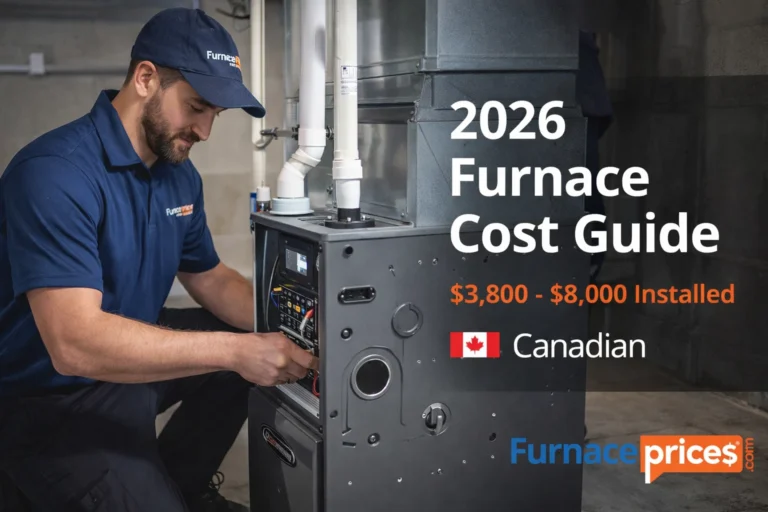
The average cost to buy and install a new high-efficiency gas furnace in Canada ranges between $4,000 and $6,500. But prices vary depending on several things:
Where you live: Big cities vs rural areas can affect price
Your home’s size and age: Bigger or older homes may need more powerful units
Old system setup: If your system is outdated, upgrades may be needed
Conversion jobs: Switching from oil or electric to gas or propane costs more
Brand and model: Some brands offer more advanced features or longer warranties
💡 Pro tip: Always get a free in-home quote from a licensed HVAC contractor for an accurate estimate.
🧠 Not Sure Which Furnace You Need?
Try our easy quiz to find out which furnace is best for your home, your budget, and your comfort needs.
🔝 Top Furnace Brands in Canada
There are many reliable furnace brands in Canada. Most offer good quality, but a few stand out:
👉 See our guide on the Best Furnace Brands to compare pros and cons.
🔧 What About Furnace Reliability?
One of the biggest concerns for homeowners is reliability — but it’s not just about the brand.
Reliability Depends On:
Proper maintenance
Correct sizing for your home
Professional installation
Ongoing support from your HVAC contractor
In fact, the quality of installation matters just as much as the brand. Make sure you choose a certified, experienced company that offers at least a 1-year labour warranty, holds valid licenses, and has a solid reputation.
🕒 When Should You Replace Your Furnace?
Here are some signs it’s time to upgrade:
1. Age
If your furnace is over 15–20 years old, it may no longer run efficiently. Older models often operate at only 50–60% efficiency — meaning nearly half of your heating costs are wasted.
2. High Utility Bills
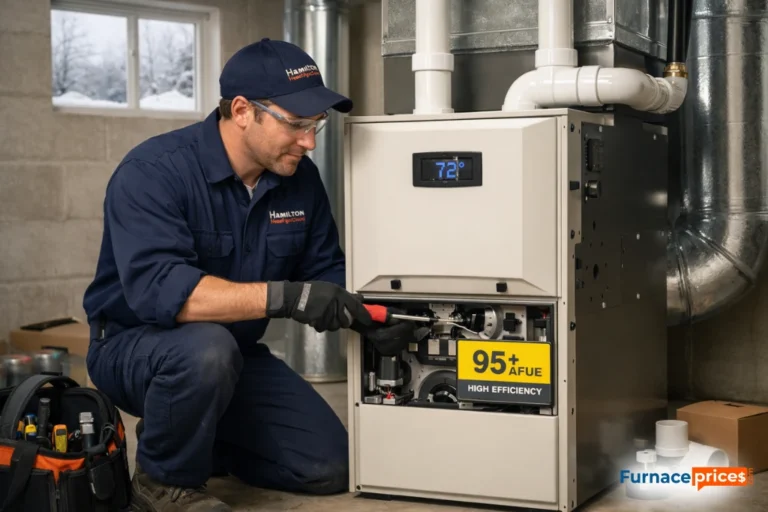
New ENERGY STAR® furnaces (95%+ AFUE) use less energy and save you money over time.
3. Frequent Repairs or Breakdowns
If you’re constantly fixing your furnace, it may be cheaper long-term to replace it — and enjoy the savings on your energy bill.
🔥 How Long Do Furnaces Last?
Most furnaces last 10–15 years, but with regular care, they can go beyond 20 years. Still, replacing an older system can often be more cost-effective than paying for ongoing repairs.
🚀 High-Efficiency Furnaces — How They Work
Furnaces heat your home by pushing warm air through ducts. In Canada, forced-air natural gas furnaces are the most common.
Newer models include:
Energy-efficient motors
Smart sensors to adjust heat output
Fast recovery time (heats home quickly after thermostat changes)
For top performance, consider a variable-speed or modulating furnace. For budget-conscious options, single or two-stage models still work great.
📈 Bonus: High-efficiency furnaces can increase home resale value.
🛠 Furnace Types Compared
🔹 Single-Stage Furnace
One setting: ON or OFF
Lower cost, but less efficient
Noisy and frequent cycling
Inconsistent temperatures
🔹 Dual-Stage Furnace
Two settings: low and high
Better temperature control
Quieter and more efficient
Slightly higher upfront cost
🔹 Variable-Speed Furnace
Adjusts fan speed gradually
Most efficient and quietest
Maintains consistent comfort
Uses energy only as needed
🔹 Modulating Furnace
Adjusts heat output in small steps
Precise temperature control
Best comfort and savings
Highest initial cost
⚙️ Advanced Features to Look For
ECM Motors: Saves electricity by adjusting speed as needed
Dual Heat Exchangers: Extract more heat = higher efficiency
Electronic Ignition: Safer and more efficient than pilot lights
Smart Thermostats: Auto-adjusts based on your habits to save money
Even just lowering your thermostat by 1°C can cut heating costs by up to 2%.
🛢 Choosing Between Gas, Propane, Oil, or Electric
Natural Gas: Most common and cost-effective in cities
Propane: Ideal for rural areas with no gas line
Oil: Less common, lower efficiency, higher cost
Electric: Expensive in most provinces, except Quebec
👉 Heat pumps are also gaining popularity — efficient for both heating and cooling without burning fuel.
💸 ENERGY STAR® Furnace Ratings
ENERGY STAR furnaces meet strict Canadian energy standards:
At least 95% AFUE
Less than 2% fan energy waste
These models save money, reduce emissions, and are better for the environment.
🛡 Warranty Matters
Warranty terms vary by brand and model. Some offer:
5 to 20-year limited parts warranty
Lifetime warranty on heat exchanger
Unit replacement guarantees
🎯 Always register your furnace within 60–90 days after installation to activate the warranty.
And don’t forget: many contractors also provide labour warranty (usually 1 year or more).
🎁 Rebates & Government Incentives
You may qualify for:
Greener Homes Grant – Up to $5,000 back for energy-efficient upgrades
Local utility rebates – Varies by city/province
Check our latest rebates & deals page to see what you qualify for.
🌬 Add-ons: Humidifiers & Air Filtration
Modern add-ons can improve indoor air quality:
HEPA filters: Trap allergens and pollutants
Smart humidifiers: Keep air comfortable
UV systems: Kill bacteria and viruses in the air
These extras are especially useful for homes with allergies, asthma, or dry winters.
🌡 Zoned Heating Systems
Zoned heating lets you control the temperature in different parts of the house independently. Great for large homes or families with different comfort needs.
While it costs more to install, it can reduce long-term heating bills and improve comfort.
📏 Sizing & Getting an Estimate
BTU rating (British Thermal Units) tells you how powerful the furnace is — but it’s not the only thing that matters.
A proper estimate considers:
Square footage
Insulation
Windows & sunlight
Climate zone
Ductwork condition
Air leaks & house materials
🎯 A certified HVAC expert can do a full assessment and recommend the ideal furnace for your home.
✅ Key Takeaways
Canadian law requires 95% AFUE or higher for new furnaces
Modern furnaces can reach up to 99% efficiency
Lower AFUE = higher heating bills over time
A good contractor is just as important as the brand
Don’t forget about rebates, warranty, and add-ons
🛒 Ready to Upgrade Your Furnace?
Let us help you compare brands, get quotes, and find the perfect high-efficiency furnace for your home and budget.