Fill out the form below to apply and get featured as one of our Top Contractors. Gain visibility, attract more clients, and showcase your expertise to a wider audience!
🔒 Your information is private and secure
Free to apply
Verified contractors only
Canada-wide visibility
No hidden charges
Free Service
No obligation
Get Your FREE HVAC Quote Today
Compare prices from top-rated local contractors in minutes
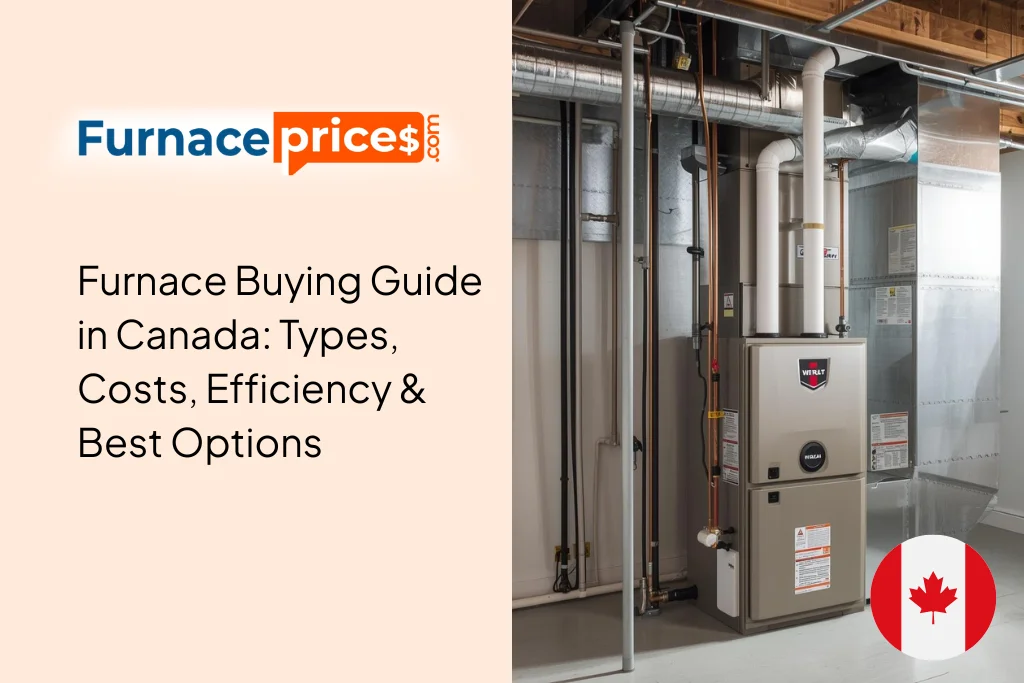
Choosing the right furnace is one of the most important decisions Canadian homeowners make. With long winters, fluctuating energy prices, and strict efficiency standards, a furnace isn’t just a heating appliance—it’s a long-term investment in comfort, safety, and operating costs. This Furnace Buying Guide in Canada helps homeowners understand what to consider before making that investment.
This Furnace Buying Guide in Canada is designed for homeowners in the research phase who want to understand how furnaces work, what types are available, how much they cost, and how to choose the best option before requesting quotes, repairs, or replacements.
A furnace is a central heating system that generates heat and distributes it throughout your home using ductwork and vents. Most furnaces heat air and circulate it via a blower motor, maintaining consistent indoor temperatures during cold months.
Modern furnaces are designed with safety controls, thermostatic regulation, and energy-efficient components that help reduce heat loss while improving comfort, airflow balance, and reliability during extended Canadian winters.
In Canada, furnaces are commonly fueled by:
Natural gas
Electricity
Oil
The right choice depends on climate, energy availability, home size, and long-term cost considerations.
Types of Furnaces in Canada
Understanding furnace types is the first step in making a smart buying decision, especially in a country where winter temperatures vary significantly by region. Each furnace type differs in efficiency, operating cost, installation requirements, and long-term maintenance.
Gas Furnaces (Most Popular in Canada)
Gas furnaces are the most widely installed option across Canada due to their strong heating capacity and cost-effective operation. They deliver fast, consistent heat, making them ideal for long, harsh winters.
High-efficiency gas furnaces use advanced heat exchangers and sealed combustion systems to reduce fuel waste and improve indoor air quality. While the initial cost is higher, long-term energy savings often offset the investment.
Pros
Lower monthly heating bills
High-efficiency models available (95%–99% AFUE)
Strong heating performance for cold climates
Cons
Higher upfront cost than electric
Requires gas line access
Best for: Cold regions, detached homes, long-term cost savings.
Electric Furnaces
Electric furnaces generate heat using electric resistance coils, making them simpler in design and easier to install. They work well in smaller spaces and regions with milder winters.
However, electricity costs in Canada can make them more expensive to operate over time, particularly during prolonged cold periods.
Pros
Lower installation cost
No gas lines or exhaust venting
Quiet operation
Cons
Higher monthly operating costs
Less efficient for extreme cold
Best for: Small homes, condos, mild winter regions, or homes without gas access.
Oil Furnaces
Oil furnaces remain common in rural areas where natural gas is unavailable. They produce intense heat and perform reliably in extreme cold, but higher fuel prices and increased maintenance make them a declining choice for new installations.
Pros
Strong heat output
Reliable in very cold climates
Cons
Higher fuel costs
More maintenance required
Declining availability
Best for: Rural homes without natural gas infrastructure.
Furnace Efficiency Explained (AFUE)
When comparing furnaces, efficiency matters more than brand names alone, especially for Canadian homeowners facing long heating seasons. AFUE (Annual Fuel Utilization Efficiency) measures how much fuel is converted into usable heat versus what’s lost through exhaust gases and system inefficiencies.
AFUE (Annual Fuel Utilization Efficiency) measures how much fuel is converted into usable heat.
80% AFUE → 20% heat lost
95% AFUE → Only 5% heat wasted
Canadian Efficiency Standards
Most provinces require minimum 95% AFUE for new gas furnace installations, ensuring modern systems meet energy and environmental expectations.
High-efficiency furnaces often include sealed combustion and secondary heat exchangers, which improve heat recovery and indoor comfort.
Bottom line: Higher AFUE = lower heating bills over time.
Average Furnace Cost in Canada
Understanding furnace pricing helps you budget realistically.
Furnace Type
Average Installed Cost (CAD)
Gas Furnace (95–96% AFUE)
$4,000 – $6,500
High-Efficiency Gas (97–99%)
$5,500 – $8,500
Electric Furnace
$2,500 – $4,500
Oil Furnace
$5,000 – $7,500
Price depends on:
Furnace size (BTU output)
Efficiency level
Installation complexity
Ductwork or venting upgrades
Furnace Size & BTU Guide
Buying the wrong-sized furnace can increase energy bills and reduce comfort.
What Is BTU?
BTU (British Thermal Unit) measures how much heat a furnace produces.
General BTU Guidelines (Canada)
Home Size
Recommended BTU Range
1,000–1,500 sq ft
45,000–60,000
1,500–2,500 sq ft
60,000–80,000
2,500–3,500 sq ft
80,000–100,000
3,500+ sq ft
100,000–120,000
Important: Climate zone, insulation quality, and ceiling height affect sizing. A professional load calculation is essential.
Single-Stage vs Two-Stage vs Modulating Furnaces
Feature
Single-Stage
Two-Stage
Modulating
Heat Levels
One
Two
Variable
Comfort
Basic
Better
Best
Energy Efficiency
Low
Medium
High
Price
$
$$
$$$
Recommendation:
Two-stage or modulating furnaces are ideal for Canadian winters due to consistent comfort and energy savings.
When to Repair vs Replace a Furnace
Knowing when to repair or replace a furnace can save thousands in unnecessary costs and prevent unexpected breakdowns during winter.
Repair Your Furnace If:
It’s under 10 years old and has been well maintained
The repair cost is under 30% of the replacement cost
There are no major heat exchanger or safety issues
Minor repairs such as ignition problems, sensors, or blower components are often worth fixing and can extend the furnace’s lifespan.
Replace Your Furnace If:
It’s 15+ years old and nearing the end of its lifespan
You experience frequent breakdowns or service calls
Rising energy bills indicate declining efficiency
You notice uneven heating, excessive noise, or poor airflow
In these cases, replacement often provides better comfort, reliability, and long-term savings.
Choosing an ENERGY STAR® rated furnace can significantly reduce upfront installation costs and long-term heating expenses.
In many cases, combining rebates with improved efficiency results in faster payback periods, lower monthly energy bills, and a reduced environmental footprint—making high-efficiency upgrades both financially and environmentally smart.
How to Choose the Right Furnace
✔ Correct furnace type for your fuel access ✔ Proper BTU sizing ✔ High AFUE efficiency ✔ Trusted installer ✔ Clear warranty terms ✔ Transparent pricing
Get Furnace Prices & Compare Options
A furnace is not a one-size-fits-all purchase. The best way to choose is to compare:
This Furnace Buying Guide in Canada gives you the knowledge needed to move confidently from research to purchase. By understanding furnace types, efficiency ratings, costs, and sizing, you can avoid common mistakes and invest in a system that delivers comfort, reliability, and long-term savings.
Before making a decision, always compare furnace prices, review models, and consult qualified professionals—your future heating bills will thank you.
🔧Connecting Homeowners with Trusted Furnace & AC Contractors Across Ontario
At FurnacePrices.com, we bridge the gap between homeowners and reliable, vetted HVAC contractors—whether you’re installing a new furnace, upgrading your air conditioner, or replacing your full home comfort system.
📌 When Are You Planning to Install a New Furnace or Air Conditioner?
Tell us your installation timeline, and we’ll match you with the most suitable HVAC professionals in your area:
🔥 Need an urgent installation? (Next 2–3 days) ⏳ Planning your upgrade in the coming weeks? 🤔 Still comparing brands, prices, or contractor quotes?
👉 Request personalized furnace or AC quotes based on your timeline and Ontario location.
📍 Ontario Cities We Commonly Serve
FurnacePrices.com helps homeowners across Ontario compare heating and cooling systems, estimate installation costs, and connect with trustworthy contractors.
Our network covers most major and mid-sized regions in Ontario, ensuring expert assistance whether you’re replacing an older furnace/AC or upgrading to a high-efficiency model.
👉 See the full list of Ontario service regions
🏆Trusted by Leading Canadian HVAC Associations
Many companies in our contractor network are active members of respected national and provincial HVAC organisations, such as:
 Canadian