Fill out the form below to apply and get featured as one of our Top Contractors. Gain visibility, attract more clients, and showcase your expertise to a wider audience!
🔒 Your information is private and secure
Free to apply
Verified contractors only
Canada-wide visibility
No hidden charges
Free Service
No obligation
Get Your FREE HVAC Quote Today
Compare prices from top-rated local contractors in minutes
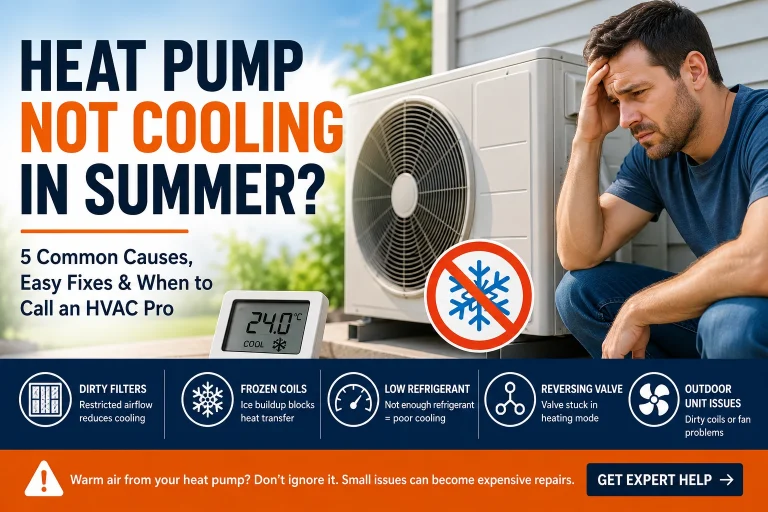
If your heat pump not working has left your home too hot, too cold, or eerily silent, you’re not alone — and most causes are easier to diagnose than homeowners expect. This guide covers what to do whether your heat pump stopped working overnight, won’t start after a power blip, or has simply gone quiet mid-cycle.
By the FurnacePrices.com Editorial Team•✔ Reviewed by Mark D., Licensed HVAC Technician (TSSA Certified)•Last reviewed: July 2026
By the end, you’ll know exactly what to check yourself, what points to a real emergency, and when it’s time to call a licensed technician. No fluff — just a clear diagnostic path you can apply to your own system today, whether you’re searching “why is my heat pump not working” or troubleshooting a specific symptom.
Unlike a furnace or a standalone air conditioner, a heat pump runs in two directions all year, moving heat into your home during winter and pulling it out during summer. That means a heat pump that stopped working can point to very different problems depending on the season — exactly why this guide is broken into mode-specific sections below.
Before touching anything, take thirty seconds for a safety check. Turn off the system at the thermostat if you smell burning, see sparks, hear buzzing from the electrical panel, or notice the outdoor unit’s fan is jammed but still trying to spin. These are signs of an electrical fault, not a simple maintenance issue, and continuing to run the unit can damage the compressor or create a fire risk.
Smell of burning plastic or wiring — shut off power at the breaker immediately
Visible ice covering more than the coil (ice on the cabinet or refrigerant lines)
Water pooling near the indoor air handler
A breaker that trips repeatedly when you reset it
If none of these apply, it’s safe to work through the troubleshooting steps below.
The Heat Pump Won’t Turn On, Won’t Start, or Isn’t Running
Whether you’d describe it as the heat pump won’t start, isn’t running, or is completely dead, this is the most common complaint we hear — and it’s usually one of four things.
Check the Thermostat First
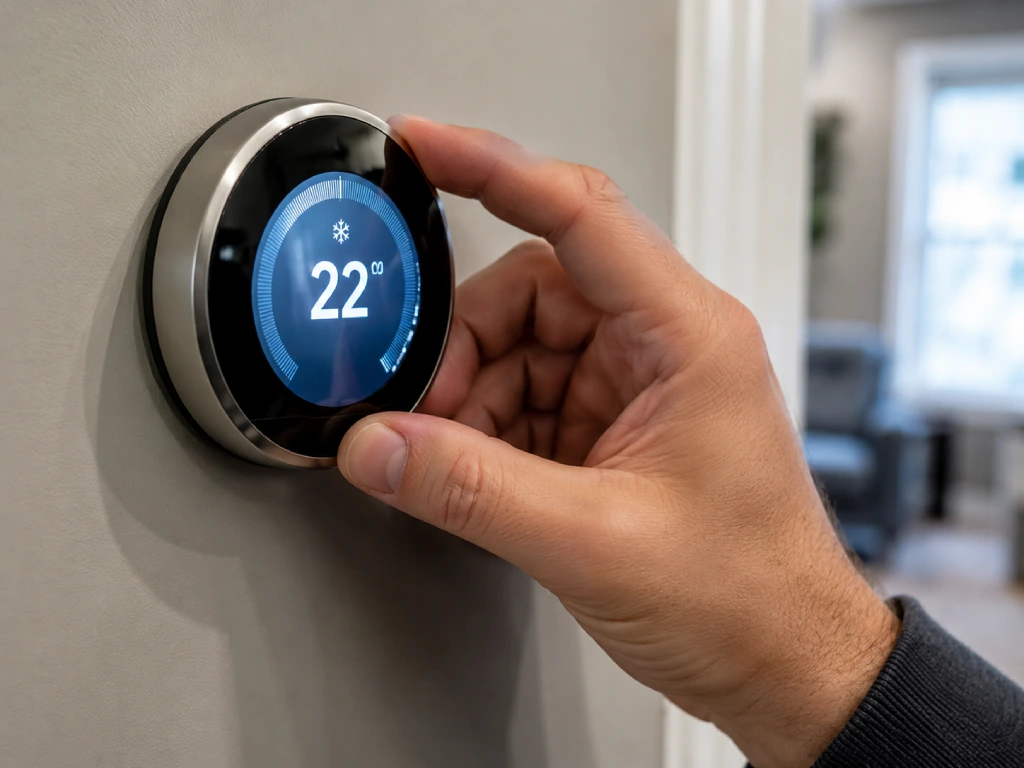
Confirm the thermostat is set to heat or cool as needed, the temperature is actually set past the current room temperature, and the display has power. A dead thermostat battery looks identical to a dead heat pump from the homeowner’s chair.
Check the Breaker and Disconnect Switch
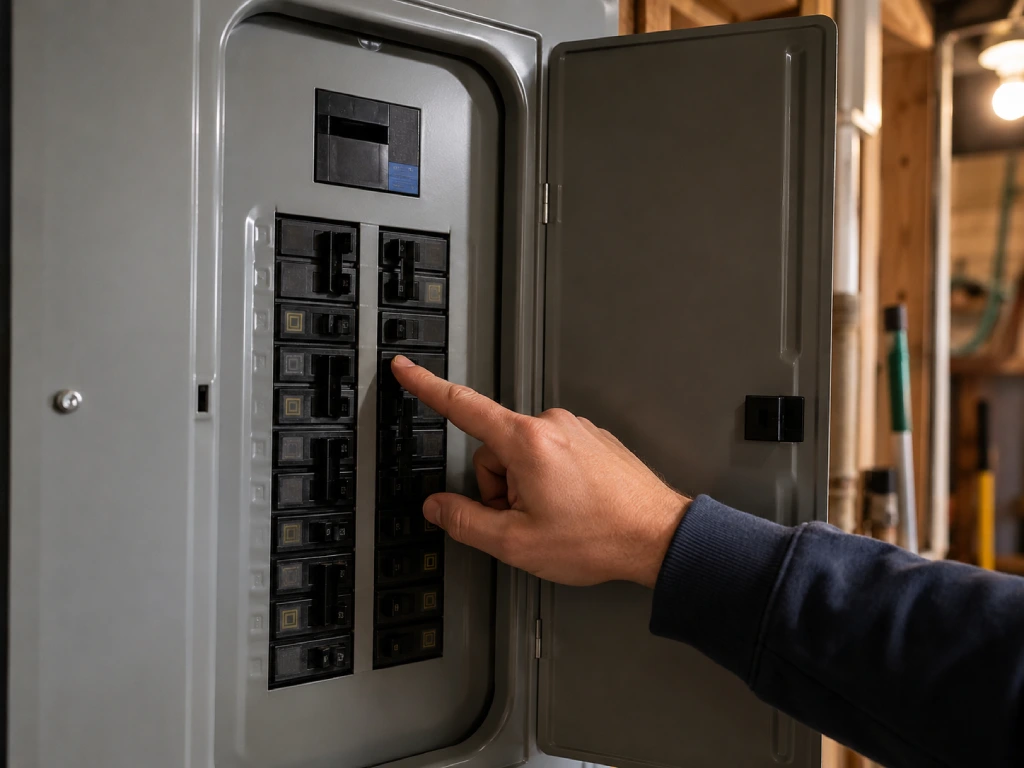
Heat pumps typically have two power points: the breaker in your electrical panel and a disconnect switch (often a grey box) mounted beside the outdoor unit. Both need to be in the “on” position. A tripped breaker that resets and trips again within minutes usually means an electrical short and needs a technician, not a repeated reset.
Check for a Blown Fuse in the Outdoor Disconnect
Some disconnect boxes contain pull-out fuses. If the unit hums but doesn’t start, or is completely silent, a blown fuse is a common and inexpensive culprit.
Want a faster, guided way to narrow this down? Our heat pump troubleshooting wizard below walks through these checks interactively based on your symptoms.
🔍
Heat Pump Troubleshooting Wizard
Answer 5 quick questions about your heat pump symptoms and get a likely diagnosis with recommended next steps.
Step 1 of 520%
What is the main issue you're experiencing with your heat pump?
When does the problem mainly occur?
What sound do you hear from your heat pump?
What's happening with your indoor temperatures?
When was your last professional maintenance?
Would you like a free no-obligation estimate from our local contractor partners?
Great! Almost done, your result is on the next page.
Please enter your contact details so our certified contractors can provide estimates.
This field is required.
Please enter a valid email address.
Please enter your phone number.
Please enter your city or postal code.
By submitting this form, you are giving your consent to receive phone calls and text messages from our contractor partners.
You're almost done!
Please provide your details to see your results.
Name is required.
Email is required.
Please enter your city or postal code.
🔍 DIAGNOSIS READY
—
—
—
Recommended Next Steps
—
⚠️ Urgency Level: —
Note: This diagnosis is based on common symptom patterns and is for informational purposes only. A certified HVAC technician should inspect your system for an accurate diagnosis.
Get a Professional Diagnosis
Connect with certified local contractors who can diagnose and fix your heat pump — for free quotes.
💡 Pro Insight: A large share of "dead heat pump" calls turn out to be a tripped disconnect switch or a blown low-voltage fuse — both quick, inexpensive fixes once identified. Check these two spots before assuming the worst.
⚡ Can't Get It Running?
Get Matched With a Licensed Ontario HVAC Technician
If you've checked the basics and it's still not turning on, don't wait it out — get a fast, no-obligation quote now.
The Heat Pump Runs but Produces No Heat or No Cooling
This is a different problem from a heat pump that won't start, and it points to airflow or refrigerant issues rather than electrical ones.
Dirty or Clogged Air Filter
A clogged filter restricts airflow across the indoor coil, which can cause weak heating, weak cooling, or the coil freezing entirely. Check the filter monthly during peak season and replace it if you can't see light through it. Filter changes are also the single most effective habit covered in our heat pump maintenance guide.
Blocked Outdoor Unit
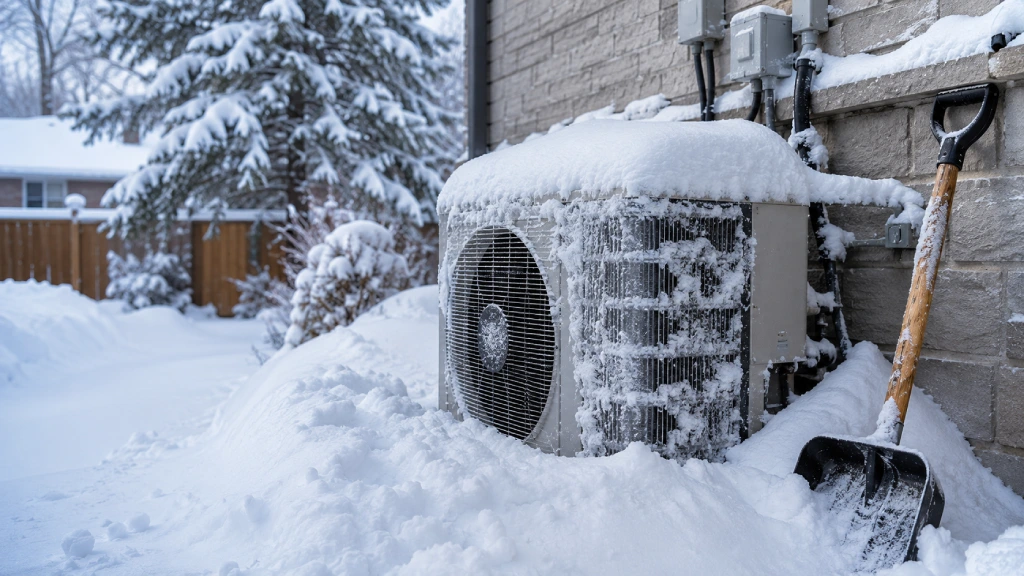
Leaves, snow, ice buildup, or anything piled against the outdoor unit restricts the airflow the system needs to exchange heat. Keep at least 60 cm (about two feet) clear on all sides, and after a snowfall, clear the top and sides so the fan isn't obstructed.
Low Refrigerant Charge
If the system runs constantly but never reaches the set temperature, and you notice the outdoor coil frosting even in mild weather, low refrigerant is a likely cause. This isn't a DIY fix — refrigerant handling in Canada is regulated, and a licensed technician needs to locate the leak, repair it, and recharge the system properly.
Reversing Valve Stuck
The reversing valve is what allows a heat pump to switch between heating and cooling. If your system blows cold air when set to heat, or warm air when set to cool, a stuck reversing valve is often the reason. This requires a professional diagnosis, and it's one of the reasons heat pump lifespan can vary so much — see our heat pump lifespan guide for what to expect as components age.
For a clearer picture of what proper heating output should cost to run, the heat pump operating cost calculator below can help you spot whether your system is drawing more power than it should for the heat it's producing.
🌡️
Heat Pump Operating Cost Calculator
Calculate the estimated monthly operating cost of your heat pump for heating or cooling with this quick quiz.
Step 1 of 714%
What is your heat pump's heating efficiency (COP)?
COP (Coefficient of Performance) measures heating efficiency. Higher = more efficient. Check your manual or use the default.
3.2 COP
1.0 COP4.5 COP
💡 Most modern heat pumps: 2.5–4.0 COP. Standard default: 3.2
What is your heat pump's cooling efficiency (SEER)?
SEER (Seasonal Energy Efficiency Ratio) measures cooling efficiency. Higher = more efficient.
Check your electricity bill or use the Canadian average.
$0.14 per kWh
$0.08/kWh$0.40/kWh
💡 Canadian average: ~$0.14/kWh. Ontario: ~$0.13, BC: ~$0.12, AB: ~$0.18
Would you like a free no-obligation estimate from local contractor partners?
Great! Almost done, your result is on the next page.
Please enter your contact details so our Certified contractors can provide estimates as well.
This field is required.
Please enter a valid email address.
Please enter your phone number.
Please enter your city or postal code.
By submitting this form, you are giving your consent to receive phone calls and text messages from our contractor partners.
You're almost done!
Please provide your details to see your results.
Name is required.
Email is required.
Please enter your city or postal code.
🌡️ ESTIMATE READY
Your Heat Pump Operating Cost Estimate
Monthly Heating Cost (est.)
—/month
Monthly Cooling Cost (est.)
—/month
Annual Heating Cost
—
Annual Cooling Cost
—
Total Annual Cost
—
Your Electricity Rate
—
IMPORTANT: This is a general estimate for informational purposes only. Actual costs vary based on usage patterns, local weather, thermostat settings, and equipment age.
Get Accurate Quotes from Local Pros
These are estimates. Get precise quotes from certified contractors — for free.
⚠️ Refrigerant Warning: Never attempt to add refrigerant yourself. It's illegal for uncertified individuals to handle refrigerant in Canada, and an improperly charged system can damage the compressor. Always use a licensed technician for refrigerant work.
Heat Pump Frozen or Covered in Ice
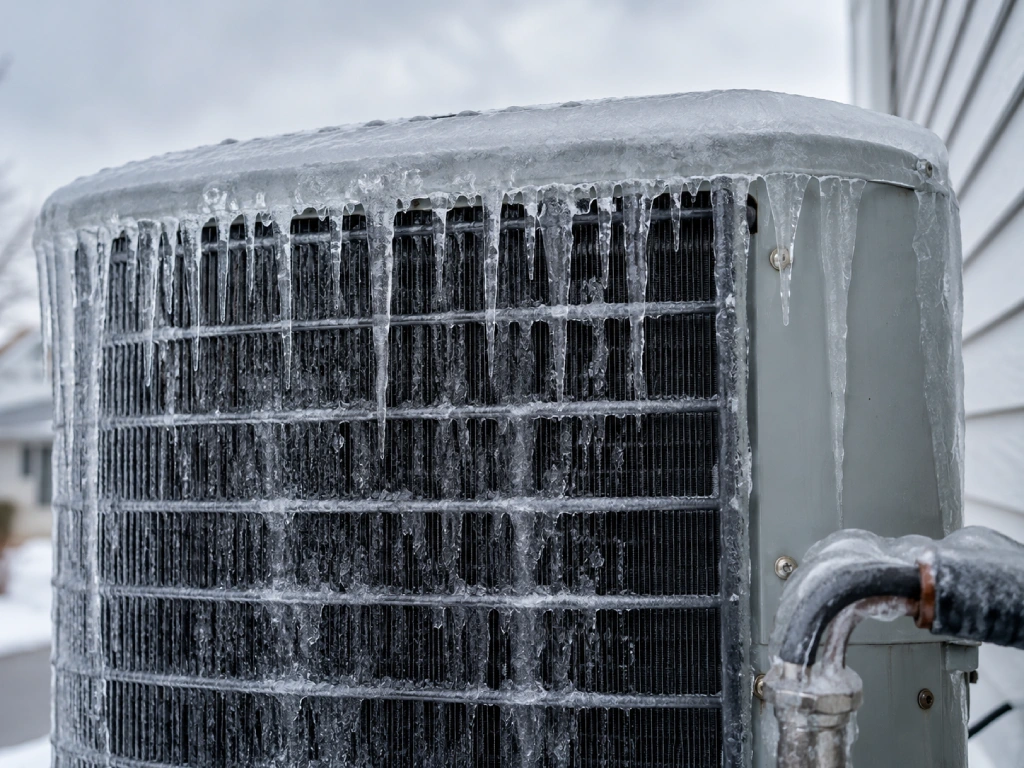
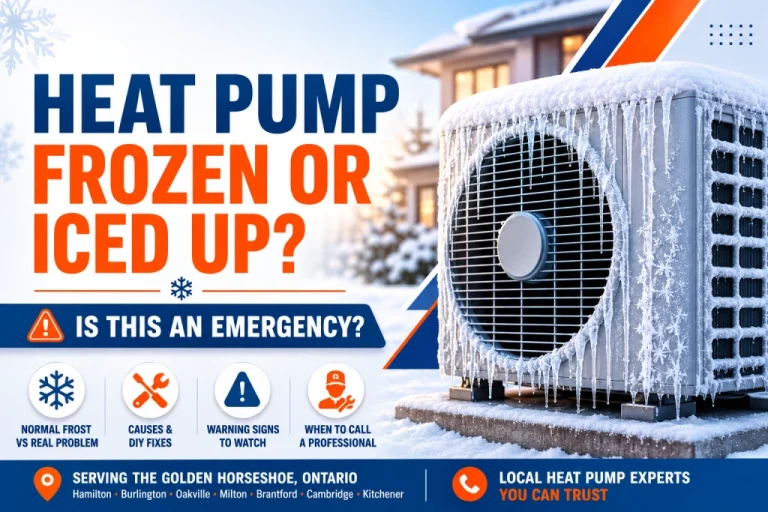
A light, even layer of frost on the outdoor coil during a defrost cycle in winter is normal. A heat pump that stays frozen or builds up thick ice is not. Understanding how the defrost cycle is supposed to work makes it much easier to spot when something has actually failed.
Common causes include a blocked filter or coil restricting airflow, low refrigerant, a failed defrost control board, or a fan motor that has stopped spinning. Don't chip at the ice, since this can damage the coil fins. Instead, turn the system off, let it thaw naturally or with a gentle fan, and call for service if the ice returns within a day or two of restarting.
Strange Noises or Smells Coming From the Unit
Sounds tell you a lot about what's failing inside a heat pump.
Clicking on start or stop: usually normal relay operation
Buzzing: often an electrical or contactor issue, worth a technician visit
Grinding or squealing: typically a failing fan motor bearing
Banging: can indicate a loose or broken internal component, particularly the compressor
Burning smell: shut the system off and call a technician right away
Musty smell: often mould or moisture in the ductwork or drain pan, not usually an emergency but worth addressing
Quick Symptom Reference Table
Use this table to jump straight to the likely cause and whether it's safe to handle yourself.
Symptom
Likely Cause
DIY or Technician
No power at all
Tripped breaker, blown fuse, dead thermostat battery
DIY first
Runs, but no heat
Dirty filter, blocked outdoor unit, low refrigerant
Heat Pump Not Working After a Snowstorm, Power Outage, or Extreme Cold
Ontario homeowners from Toronto and Ottawa to Hamilton, London, Kingston, and Sudbury deal with a specific version of this problem every winter: a heat pump that was working fine before a cold snap, freezing rain, or a hydro outage, and stops cooperating right after.
A few weather-specific patterns are worth knowing:
After a power outage: the system may need a manual reset at the breaker, and the thermostat's schedule or settings can reset too — check both before assuming a fault
After heavy snow accumulation: snow packed around or on top of the outdoor unit blocks airflow and can trigger the same symptoms as a dirty filter — dig it out and give it space
During extreme cold below -20°C: most cold-climate heat pumps are rated to keep working, but output naturally drops, and homes without a backup heat source may feel the difference more — this isn't necessarily a malfunction
After freezing rain: ice can coat the outdoor unit's housing and fan blades even before the coil itself freezes — a visual check is worth doing before troubleshooting further
If cold-weather performance has been a recurring issue rather than a one-off, it may be worth reviewing whether your current unit is properly sized and rated for Ontario winters in our heat pump buying guide.
DIY Troubleshooting Checklist Before You Call for Service
Run through this list first. It solves a surprising share of "heat pump not working" calls without needing a technician visit.
Confirm the thermostat is set correctly and has working batteries
Check both the breaker and the outdoor disconnect switch
Replace the air filter if it looks dirty
Clear debris, snow, or ice from around the outdoor unit
Look for ice buildup on the coil
Listen for unusual noises and note when they happen
Check that all supply and return vents inside the home are open and unblocked
If you've gone through this checklist and the system still isn't performing, the heat pump recommendation wizard below can help you understand whether a repair or a replacement makes more financial sense based on your system's age.
🏆
Heat Pump Recommendation Wizard
Answer a few quick questions and we'll recommend the best heat pump tier for your home, climate, and budget.
Step 1 of 1010%
What is your primary heating source today?
Do you have central ductwork in your home?
How well insulated is your home?
How large is your home?
Which region do you live in?
How cold do winters get where you live?
How long are you planning to stay in your home?
How important is energy efficiency to you?
What is your budget for a new system?
Do you want your heat pump to provide both heating and cooling?
Would you like a free no-obligation estimate from local contractor partners?
Great! Almost done, your result is on the next page.
Please enter your contact details so our Certified contractors can provide estimates as well.
This field is required.
Please enter a valid email address.
Please enter your phone number.
Please enter your city or postal code.
By submitting this form, you are giving your consent to receive phone calls and text messages from our contractor partners.
You're almost done!
Please provide your details to see your results.
Name is required.
Email is required.
Please enter your city or postal code.
🏆 RECOMMENDATION READY
Your Heat Pump Recommendation
Recommended Tier
—
—
Typical Price Range
—
HSPF Rating
—
SEER Rating
—
Cold Weather Rating
—
Why this recommendation?
—
Note: This is a general recommendation based on your answers. Actual suitability depends on your specific home, local climate, and installation requirements. Get quotes from certified contractors for accurate advice.
Get Accurate Quotes from Local Pros
These are estimates. Get precise quotes from certified contractors — for free.
Free tools · No obligation · Built for Canadian homeowners
Is This a True Emergency or Can It Wait?
Not every heat pump problem needs a same-day call. Here's how to tell the difference.
Call for Emergency Service If:
You smell burning or see smoke or sparks
The breaker trips repeatedly no matter how many times you reset it
There's standing water near the indoor unit
Outdoor temperatures are dangerously low or high and you have no backup heating or cooling source
It Can Likely Wait for a Scheduled Visit If:
The system runs but is slightly less efficient than usual
You hear a minor noise that isn't getting worse
The home is holding a comfortable temperature even if the system is working harder than normal
What Repairs Typically Cost
Costs vary by region and the age of your equipment, but this table gives a general sense of what to expect in Ontario (CAD). Always get a written quote before authorizing work.
Issue
Typical Cost (CAD)
Capacitor or contactor replacement
$150 – $400
Refrigerant leak repair and recharge
$400 – $1,800
Fan motor replacement
$350 – $900
Defrost control board replacement
$250 – $600
Reversing valve replacement
$500 – $1,200
Compressor replacement
$1,800 – $3,500
Ranges reflect typical Ontario installer quotes as of 2026 and vary by brand, capacity, and home. Always confirm with a local estimate.
If a repair estimate is climbing close to the cost of a compressor, it's worth comparing against replacement. Use the heat pump cost calculator below to see what a new install would run.
Step 1 of 60%
❄️
Heat Pump Cost Calculator
How much will a new heat pump cost you? Get an instant price estimate based on your home and needs — takes under 2 minutes.
What type of heat pump are you looking for?
What efficiency level are you considering?
Higher HSPF = more efficient = lower bills, but higher upfront cost.
How large is your home (sq ft)?
This helps estimate the right capacity unit for your home.
1,500 sq ft
500 sq ft4,000 sq ft
Do you need installation included?
Does your home have existing ductwork?
Would you like a free quote from a local certified contractor?
Great! Almost done, your result is on the next page.
Please enter your contact details so our certified contractors can provide accurate quotes.
This field is required.
Please enter a valid email address.
Please enter your phone number.
Please enter your city or postal code.
By submitting this form, you are giving your consent to receive phone calls and text messages from our contractor partners.
You're almost done! Where do we send the results?
Please provide your details to see your results.
Name is required.
Email is required.
Please enter your city or postal code.
❄️ Estimate Ready
Your Heat Pump Cost Estimate
Equipment Cost
—
Total Estimated Cost
—
Get Accurate Quotes from Local Pros
These are estimates. Get precise quotes from certified HVAC contractors in your area — for free.
For more background on how heat pumps compare to furnaces before you decide on a repair versus a full switch, see our heat pump buying guide and our roundup of the best heat pumps in Canada. According to Natural Resources Canada, properly maintained heat pumps remain one of the most efficient heating and cooling options for Canadian homes. The ENERGY STAR program is also a reliable reference point when comparing efficiency ratings on a replacement unit.
Final Thoughts
Most cases of a heat pump not working come down to a handful of repeatable causes: power issues, airflow blockages, refrigerant problems, or a failing component like the reversing valve or defrost board. Working through the checklist above will solve many of these on your own, and for anything involving refrigerant, electrical faults, or repeated breaker trips, a licensed technician should take over.
If your system is still not cooperating after troubleshooting, reach out for a free quote and a technician can get your comfort back on track quickly.
🚀 Still Not Working?
Get a Free Quote From Trusted Local HVAC Pros
Skip the guesswork. A licensed local technician can diagnose the exact issue and give you transparent pricing — no obligation.
🔒 Free · No obligation · Local Ontario contractors
Frequently Asked Questions
Why is my heat pump not working?
The most common causes are a tripped breaker, a dead thermostat battery, a dirty filter, or a blocked outdoor unit. Work through those four before assuming a major fault.
Why is my heat pump running but not heating the house?
Usually a dirty filter, blocked outdoor unit, low refrigerant, or a stuck reversing valve. Start with the filter and outdoor unit, since those are the easiest and cheapest to fix yourself.
Is it normal for a heat pump to blow cold air in heat mode?
Briefly, yes, right when it starts a heating cycle. If it stays cold for more than a few minutes, the reversing valve or refrigerant level likely needs professional attention.
Why does my heat pump keep tripping the breaker?
A repeatedly tripping breaker usually signals a short, a failing capacitor, or a compressor drawing too much current. Stop resetting it and call a technician, since this is an electrical safety issue.
Can I run my heat pump if it's covered in ice?
No. Turn it off and let it thaw first. Running it while frozen can damage the outdoor coil and put strain on the compressor.
 Canadian